

I still remember visiting my Mexican neighbor’s tiny apartment as a child. Despite the limited square footage, her bedroom was always impeccably tidy, with cleverly arranged furniture and a spotless floor. Watching her, I realized how impactful small bedroom organization could be not only for fitting belongings but also for mental calm and peace.
Over the years, I have tested many space management and storage solutions, realizing that a clean, clutter impact-free room directly improves well being. In this guide, I share effective de-cluttering tips and smart hacks to help you create an inviting, organized sanctuary even if your room is smaller than you want.
Table of Contents
Why Organization Matters in Small Bedrooms
Effects of Clutter on Mental and Physical Health
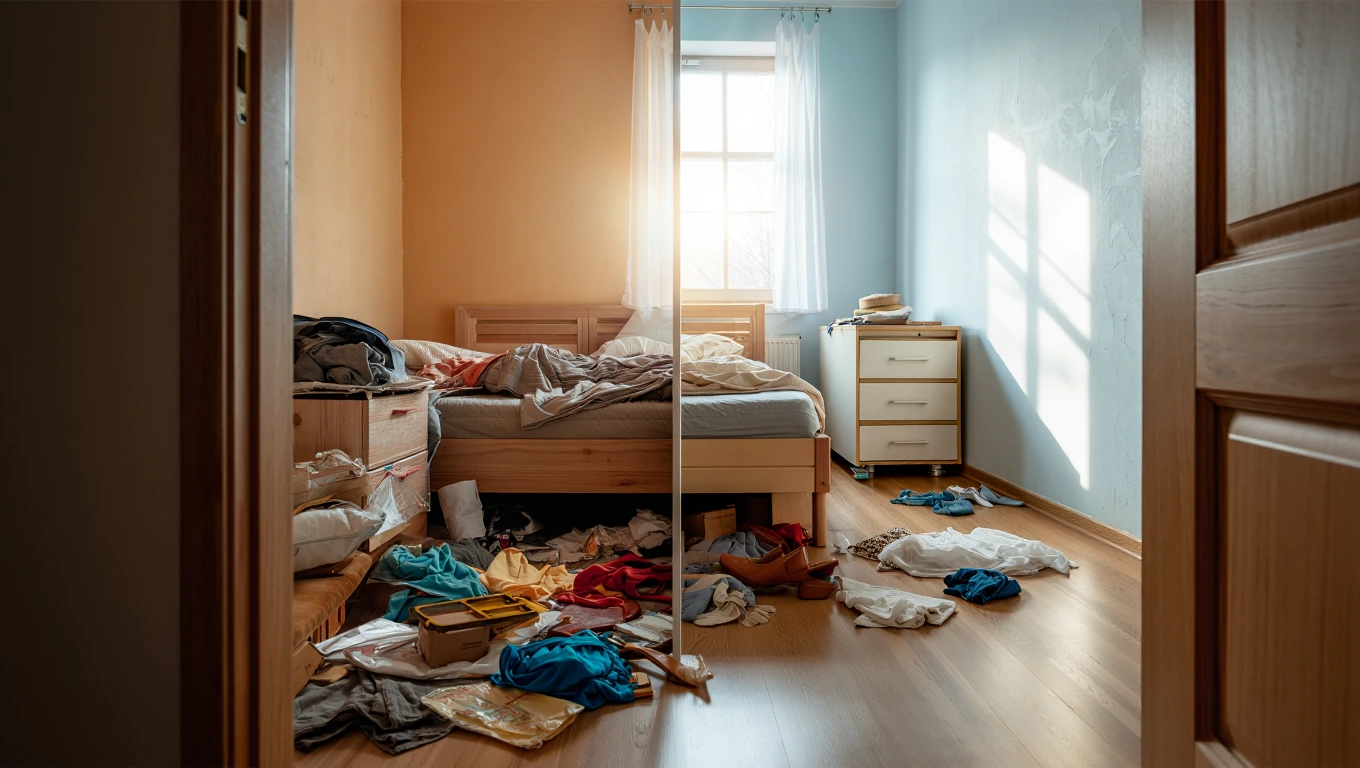
Clutter in a bedroom often raises stress and anxiety levels, disrupting mental health far more than most realize. Studies confirm that mess increases cortisol, the body’s stress hormone, which affects sleep quality and overall energy. Additionally, clutter negatively influences physical health by collecting dust and allergens, which can worsen respiratory issues. Tidying bedrooms regularly helps reduce these risks, allowing healthy sleep cycles and physical relaxation.
Benefits of an Organized Small Bedroom
On the other hand, an organized space promotes productivity and mindfulness. I found that when my bedroom is neat, I fall asleep quicker and wake up refreshed. This is partly due to improved sleep hygiene provided by a distraction-free environment. Moreover, keeping a clean space enhances self-care routines and creates a calming atmosphere that supports stress relief. Many swear by minimalist living to sustain these benefits removing excess items invites clarity and peace of mind. You might also want to explore our insights on how home organization can transform your overall mood and daily habits at Nest of Dreams organization tips.
Decluttering Strategies for Small Bedrooms
Start Small and Set Realistic Goals
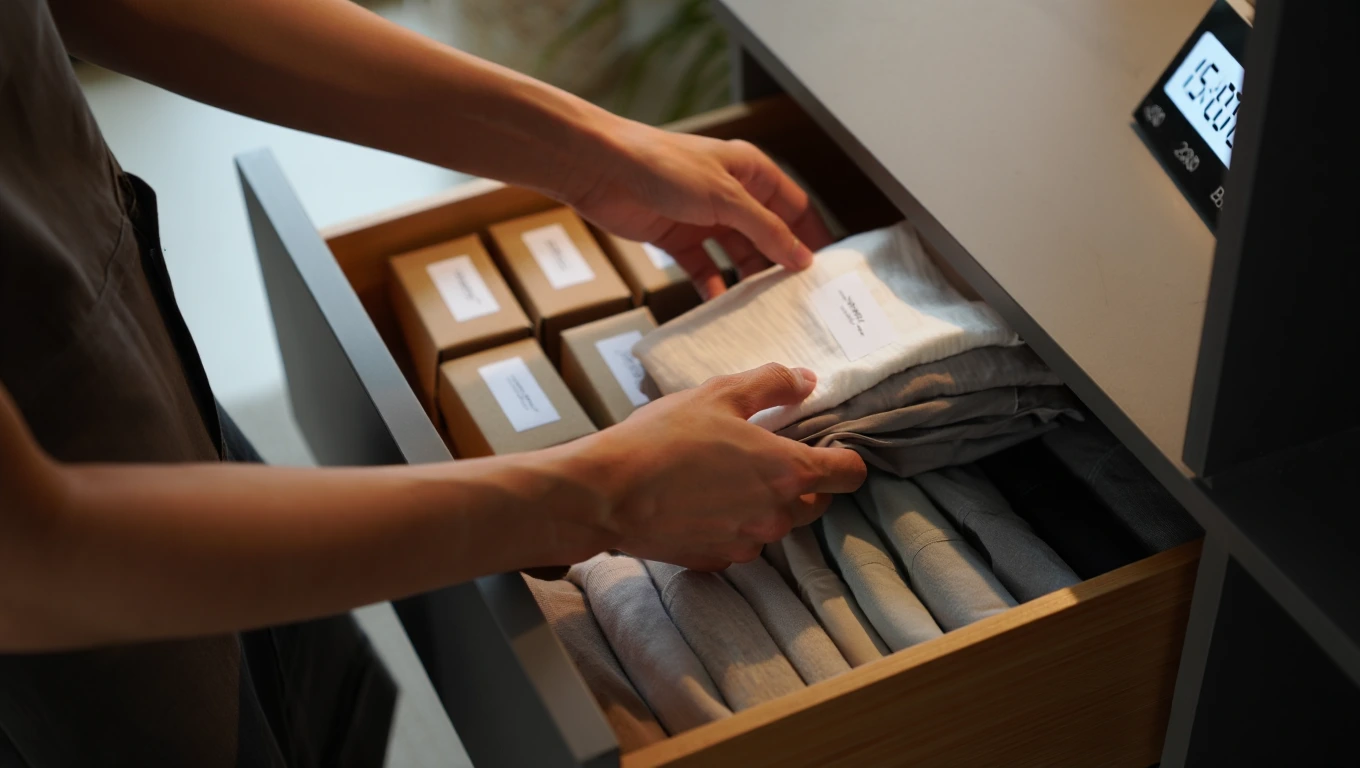
When I first tackled my cluttered room, I began with one drawer or shelf. Starting small prevents overwhelm and builds momentum for bigger projects. Set manageable goals, like clearing your nightstand or under-bed area within 15 minutes. This incremental progress is crucial when facing limited space. Also, try timing your efforts according to cleaning routines that fit your lifestyle, making tidying a natural habit rather than a chore.
The Core 4 Method of Decluttering
One especially practical technique I learned is the Core 4 method of decluttering. This method focuses on these four categories: clothes, paperwork, kitchen items, and sentimental stuff. By tackling one category at a time, you streamline decision making and avoid clutter spillover. This method aligns well with spring cleaning campaigns and has helped me simplify many rooms, especially those with persistent piles.
What to Remove First When Decluttering
Prioritizing items to remove accelerates the decluttering process. Firstly, discard anything broken or expired. Next, remove duplicates and seldom-used items, paying close attention to storage clogs. Clothing that no longer fits or is out of style is another easy target. Lastly, bulky decor that doesn’t serve a functional or calming role should be reconsidered. For more on this, see our advice on clean space habits in decluttering tips.
Creative Storage Solutions to Maximize Small Bedroom Space
Utilizing Under Bed and Vertical Space
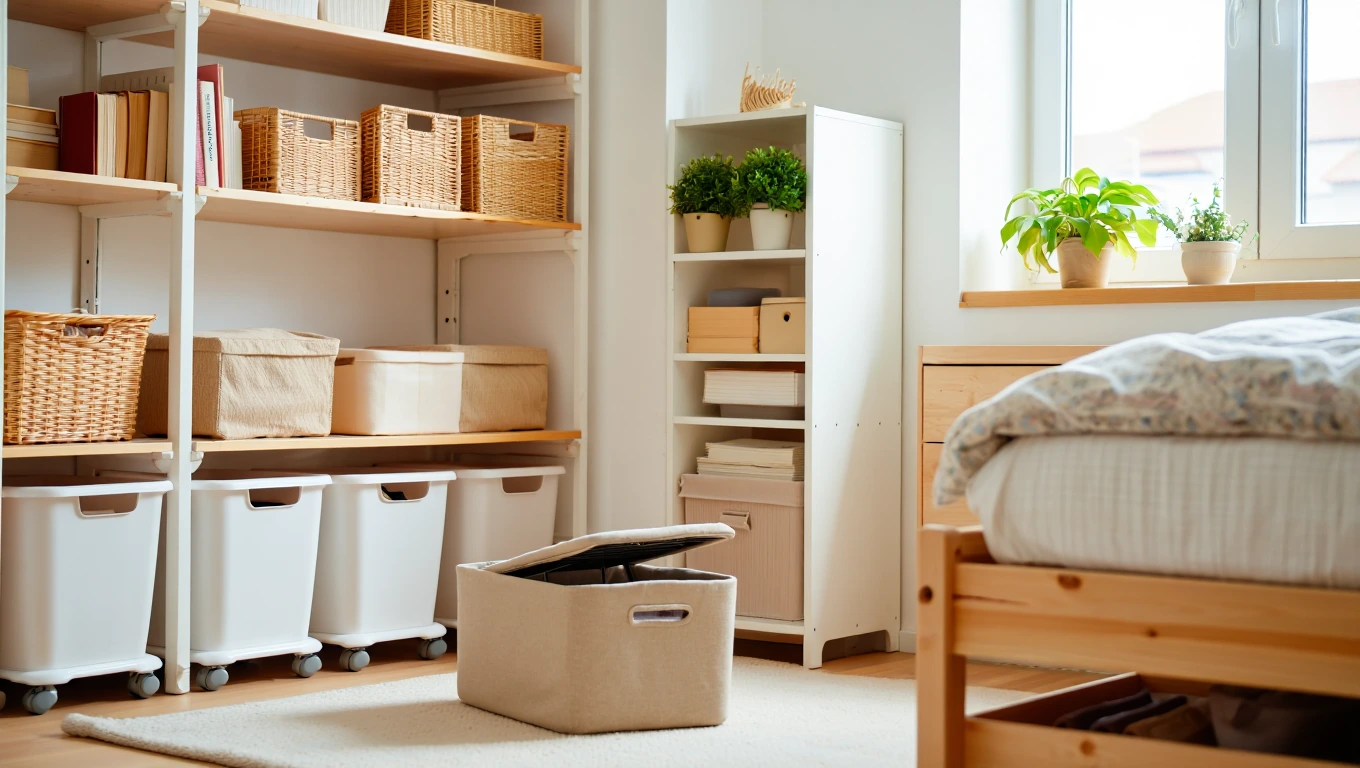
The area beneath your bed is often underused, yet it presents excellent small space storage potential. Sliding storage bins or shallow drawers can hide seasonal clothing or extra linens. Likewise, vertical space offers walls as untapped storage zones. Wall mounted shelves or hanging organizers free up floor footprint, turning otherwise wasted vertical planes into efficiency hubs.
Double Duty and Multifunctional Furniture Ideas
I grew fond of multifunctional furniture for its dual benefits of saving room and reducing clutter. Beds with built-in drawers, ottomans with hidden storage, and fold-down desks exemplify clever designs that reconcile limited space with functional use. These pieces support small home organization by combining comfort, function, and storage.
Installing Wall Shelves and Corner Storage
Corners, often overlooked, can gain new life with smart shelving. Triangular shelves or corner bookcases keep essentials accessible without overcrowding the floor. When I added this in my bedroom, the change was stunning not just for storage but also for a neat appearance. Pair this with creative storage solutions like hooks and baskets to increase functionality even more.
Hidden and Incremental Storage Tips
Incremental storage means adding small, consistent solutions that cumulatively free space. Examples include drawer dividers, hanging racks behind doors, or stacking storage boxes under furniture. I always suggest prioritizing “hidden storage,” making your space look cleaner instantly without sacrificing accessibility.
| Storage Area | Suggested Solutions | Benefits |
|---|---|---|
| Under-bed | Rolling bins, flat drawers | Maximizes hidden space |
| Walls | Floating shelves, pegboards | Frees up floor area |
| Corners | Corner shelves, corner dressers | Utilizes awkward areas |
| Furniture | Beds with drawers, Ottoman storage boxes | Doubles as seating and storage |
Daily Habits and Maintenance for a Clutter-Free Small Bedroom
Establishing a Decluttering Routine
Maintaining an orderly bedroom requires daily attention. I recommend dedicating just 10 minutes each morning or evening to put away misplaced items, such as clothes or books. Making this a routine prevents small messes from becoming large challenges. Tying this to your nighttime self-care ritual can improve consistency.
Keeping Surfaces and Nightstands Clear
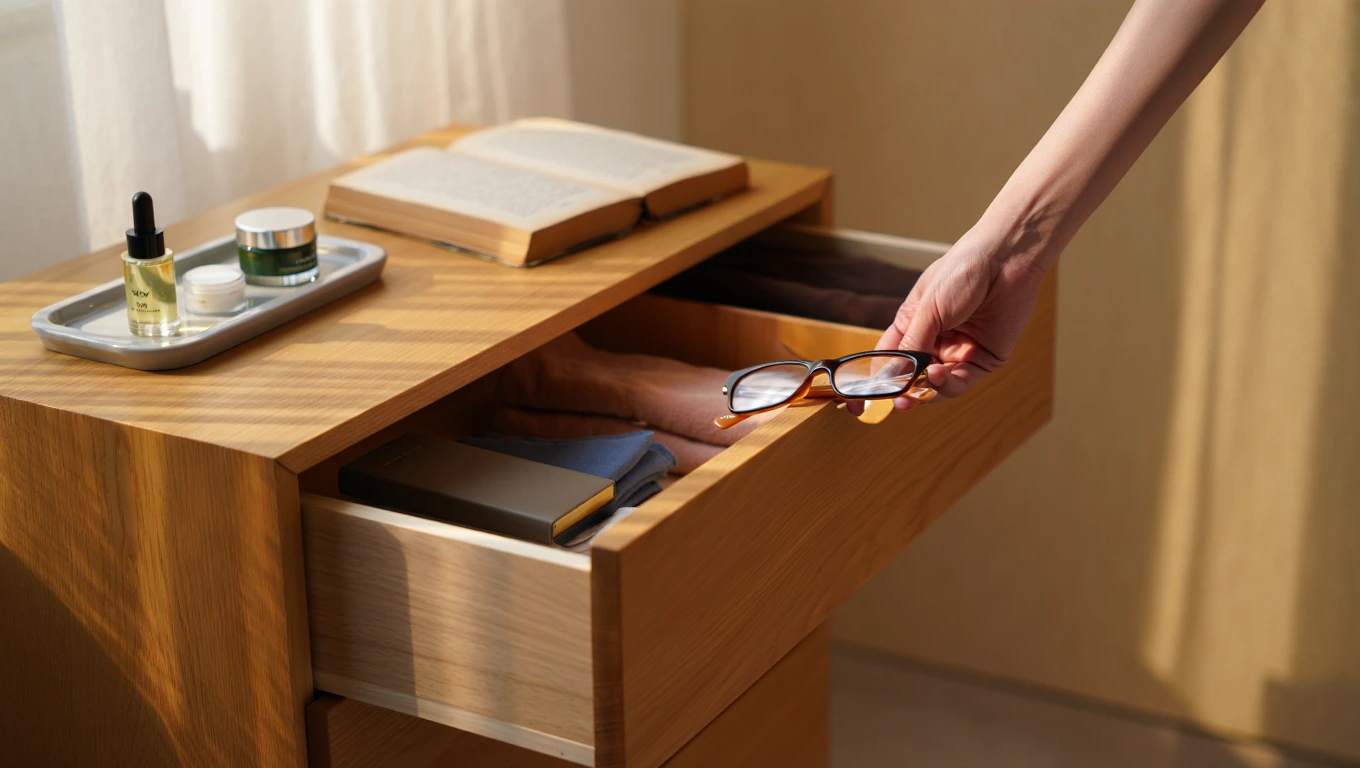
Nightstands tend to gather clutter charging cables, books, skincare products often making a space feel crowded. By establishing nightstand organization habits, such as limiting items to essentials and using small trays or organizers, the surface stays neat and calming.
Embracing Minimalism and Tidy Habits
Adopting minimalism is often key to sustaining order, especially within small rooms. When I reduced the number of items I owned, it became easier to keep surfaces clear and my room serene. Developing tidy habits means being mindful about what you bring into the room and routinely assessing your belongings. Our article on tidying bedroom routines offers practical advice to build these habits sustainably.
Arranging Furniture and Layout Tips for Small Bedrooms
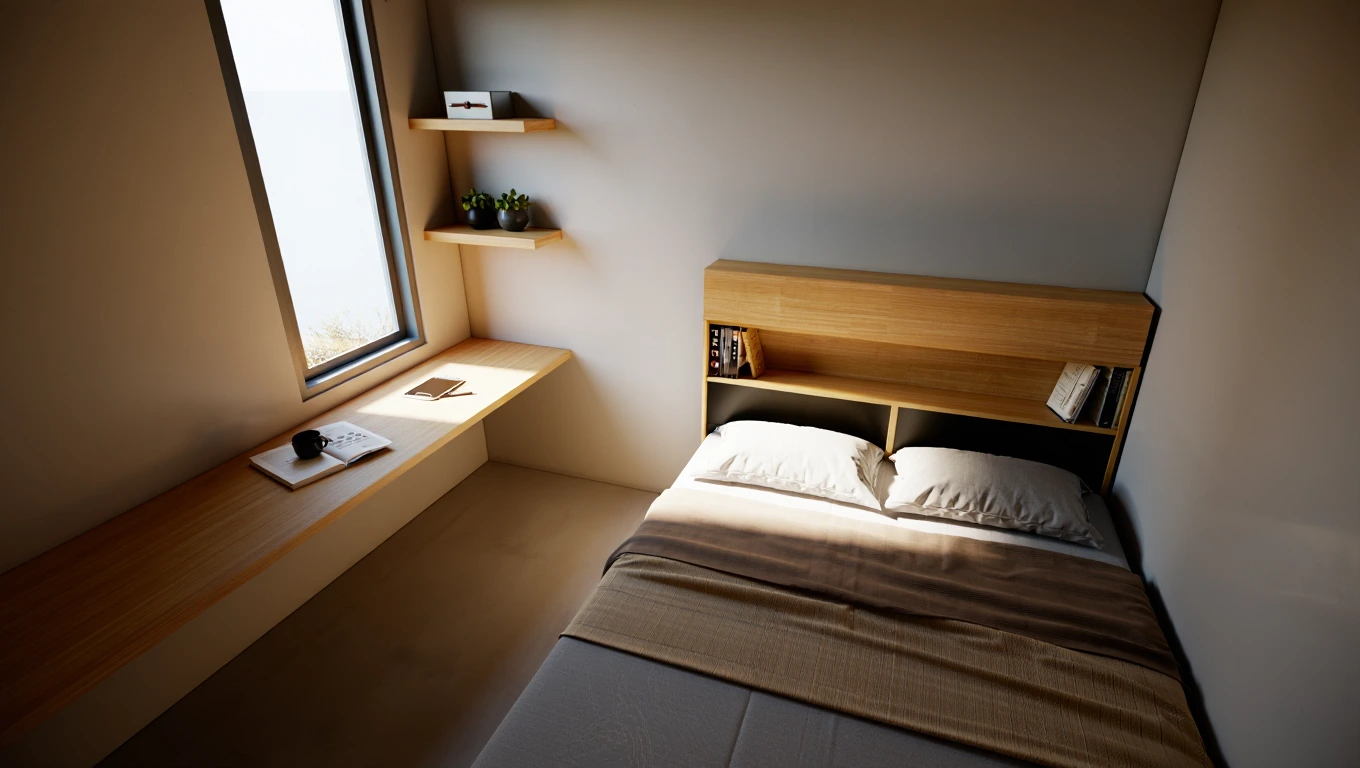
Optimizing Bedroom Furniture Placement
Arranging furniture strategically can drastically free up space. Place the bed against the longest wall to create open pathways. Avoid blocking windows or doors to allow natural light and better airflow.
Using Multi Purpose Headboards and Fold-Down Desks
A multi-purpose headboard provides extra shelving or storage without taking floor space. Similarly, a fold down desk mounted to the wall serves as a workspace that disappears when not in use. These ideas maximize function and maintain a neat aesthetic.
Creating Open Floor Space by Wall Mounting and Shelving
Wall-mounting lights, shelves, and even side tables clears floor area, promoting a more spacious feel. Together with corner shelving and clever furniture, this layout approach improves movement and visual openness, critical in small apartment hacks.
FAQs
How do I maximize storage in a small space?
Focus on vertical space and hidden storage options. Use multifunctional furniture and underutilized areas like under the bed or behind doors.
How do you make storage in a tiny room?
Use wall shelves, corner storage, and multifunctional furniture to save floor space while maintaining accessibility. Incremental storage like baskets or drawer dividers helps too.
What are storage solutions for tiny apartments?
Prioritize compact, foldable furniture and wall-mounted shelves. Think multifunctional like ottomans with storage and keep clutter reduction in mind via regular decluttering.
How can I maximize storage in my tiny house?
First, declutter regularly using simple methods like the Core 4 method of decluttering. Then, implement hidden storage and vertical storage strategies, including beds with drawers and corner shelving.
How to quickly declutter a bedroom?
Set a timer for 15-30 minutes and target specific areas such as a drawer or nightstand. Remove broken items and things you no longer use first for quick wins.
What is the 12-12-12 rule for decluttering?
This rule suggests finding 12 items to throw away, 12 to donate, and 12 to return to their proper home. It’s a fast, effective way to reduce clutter.
What is the core 4 method of decluttering?
It involves tackling four main categories: clothes, paperwork, kitchen items, and sentimental items. Handling one category at a time simplifies the task.
What should I remove first when decluttering?
Begin with broken, expired, or unused items, then remove duplicates and large, bulky objects that consume valuable space.
Small bedrooms need thoughtful space-saving tips and smart habits to stay organized. By addressing clutter’s impact on health, applying targeted decluttering methods, and choosing creative storage furniture ideas, you can transform your small room into a cozy, stress-relieving retreat. Daily maintenance and strategic furniture placement seal the deal in sustaining a clutter-free, serene space.
If you found these small bedroom organization hacks helpful, please comment below with your favorite tip or subscribe for more practical guidance on creating calm, clutter-free living spaces!