
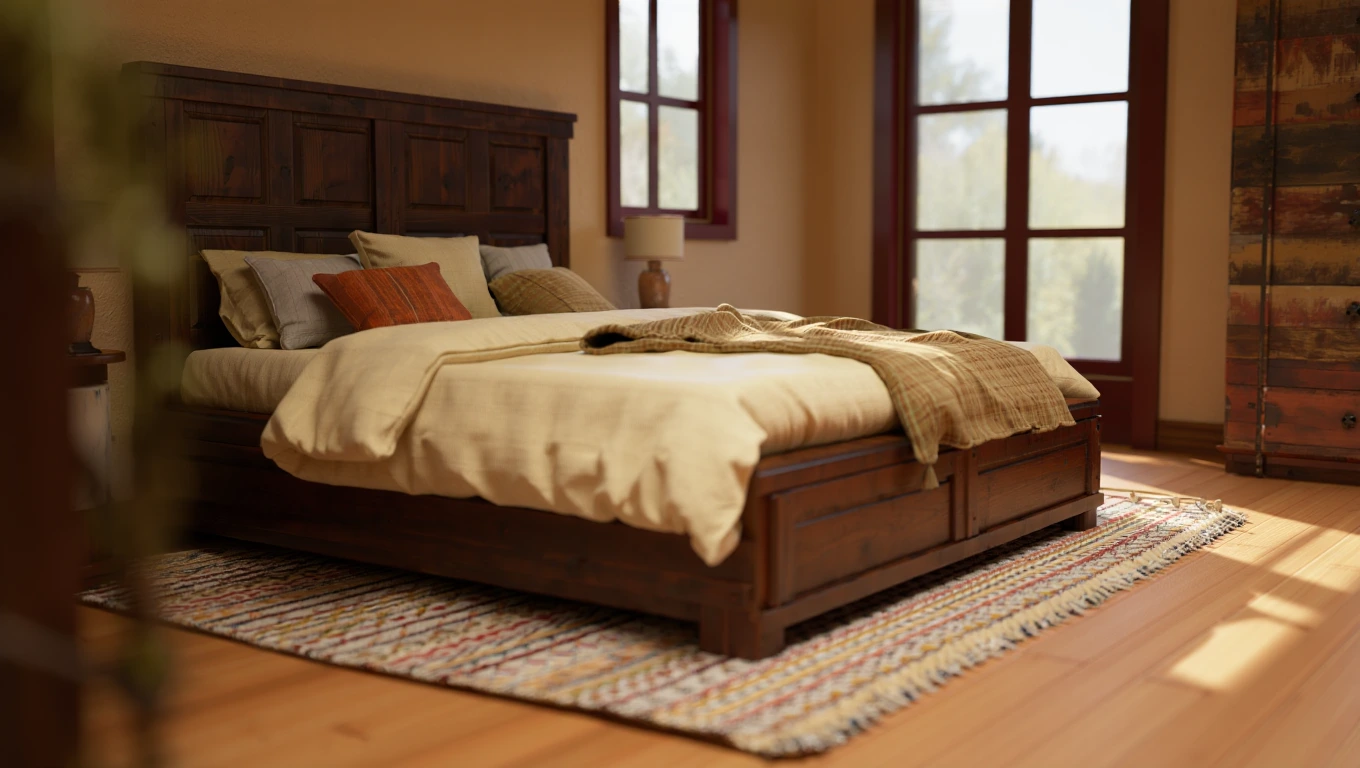
Choosing the Right Bed Frame
My Mexican neighbor once shared a story about her grandmother’s bed. She insisted that the right bed frame could make all the difference, not just for comfort but also for family heritage. At that moment, I realized choosing the right bed frame blends tradition, style, and practicality.
Whether you are moving into a new home or upgrading your bedroom, the right frame affects your sleep quality and bedroom aesthetics. In this guide, I will walk you through everything I have learned about choosing the right bed frame from budget concerns to style choices to help you find the perfect foundation for your mattress.
Budget Considerations: How Much to Spend
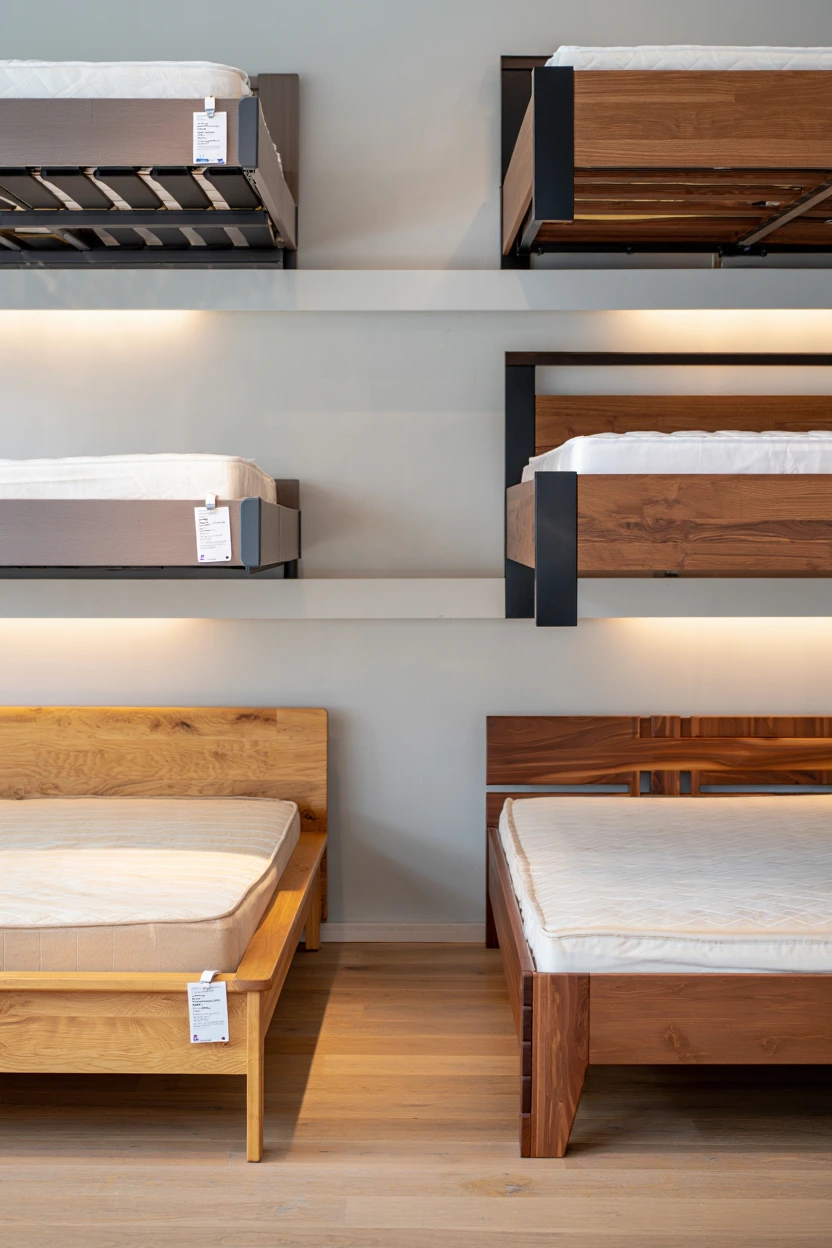
When I first started shopping for a bed frame, budget considerations felt daunting. You might wonder how much is reasonable to spend. Typically, affordable frames start around $100, while high-end models can go upwards of $1,000. The ideal expenditure depends on your needs and how much you value durability, craftsmanship, and style.
Moreover, investing in a quality bed frame can prevent costly replacements and protect your mattress. For instance, solid hardwood frames tend to cost more but last longer than metal or composite frames. Therefore, balancing longevity and upfront cost is essential. If you have a tight budget, focus on core functions like mattress support and stability before splurging on decorative features. Bedroom aesthetics can be enhanced later with accessories like headboards or coordinated linens.
In summary, set a clear spending limit but weigh cost against materials, size, and design. This approach makes your purchase more satisfying and financially sound.
Determining the Right Size for Your Bed Frame

Choosing the correct bed size requires more than matching your mattress. When I upgraded to a king-size bed, I learned that the dimensions of both the mattress and bedroom matter equally. First, measure your bedroom’s available space to avoid overcrowding.
Next, consider the bed’s frame width and length. Some bed frames add a few inches beyond the mattress dimensions for structure and style. For instance, a queen mattress fits into a frame that is often 3-5 inches wider and longer. Also, think about the frame type platform or with a box spring since that affects total dimensions.
Here is a quick reference table for standard mattress sizes versus approximate frame dimensions:
| Mattress Size | Typical Mattress Dimensions (inches) | Typical Frame Dimensions (inches) |
|---|---|---|
| Twin | 38 x 75 | 42 x 79 |
| Full | 54 x 75 | 58 x 79 |
| Queen | 60 x 80 | 64 x 84 |
| King | 76 x 80 | 80 x 84 |
| California King | 72 x 84 | 76 x 88 |
In addition, consider your bedroom size and walkways; ideally, at least 24 inches of clearance should surround any side of the bed for comfort and movement. Choosing a frame that fits your bed size and room allows a better flow and prevents cramped spaces.
Choosing the Ideal Bed Height and Leg Design
When I first encountered different bed heights, I was surprised how they affect daily comfort. A bed that is too low can make getting in and out difficult, especially for older adults or those with mobility concerns. In contrast, a higher bed offers easier access but might not suit everyone’s style or ceiling height.
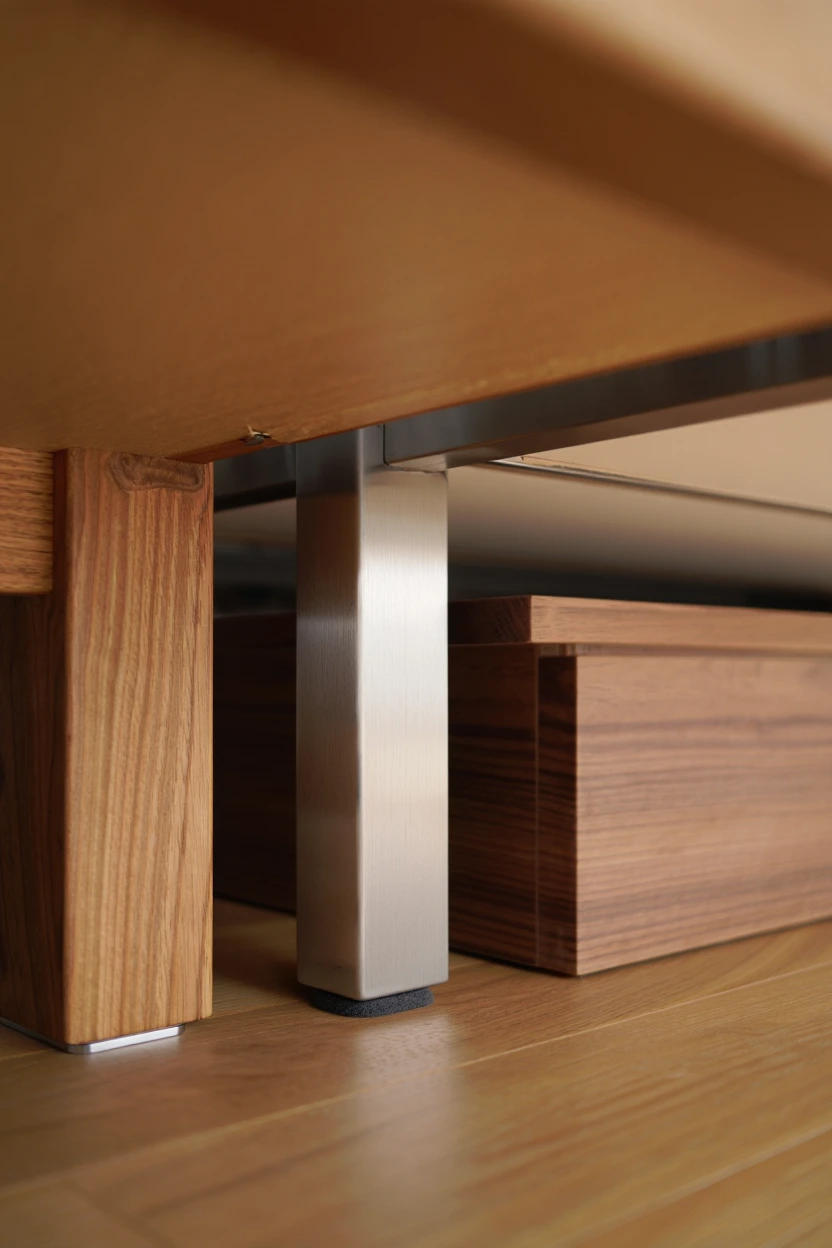
Leg design also plays a critical role. For example, longer legs create space to store items underneath, while shorter legs keep the bed close to the floor — perfect for minimalist bedrooms. Beds with tapered or metal legs often add a modern flair, while chunky wood legs offer a rustic feel.
Also, keep in mind flooring protection. Beds with metal legs can scratch hardwood floors unless fitted with rubber caps or felt pads. When choosing a frame, prioritize a bed height and leg style that balance mattress support, style, and room function.
Support Systems: Box Spring or Platform?
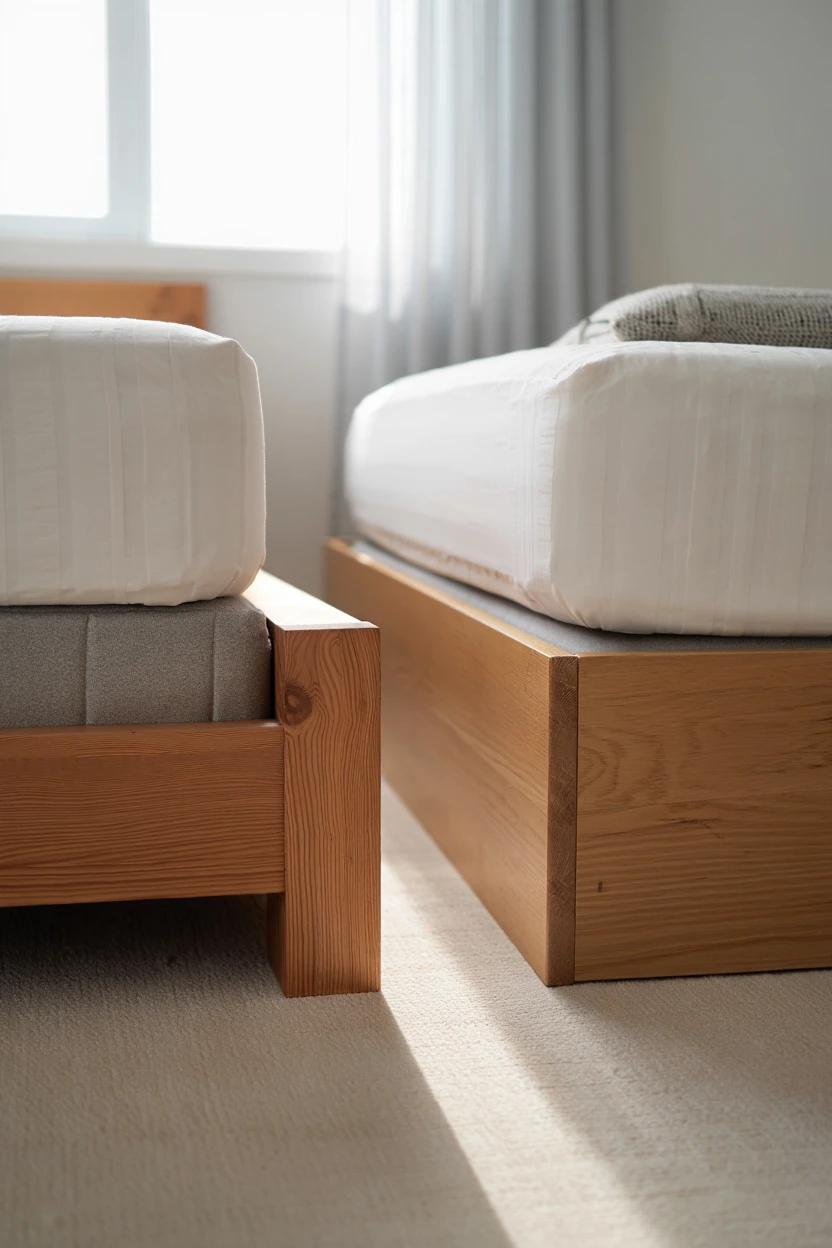
Choosing between a box spring and platform bed frame puzzled me initially. The main question is which support system suits your mattress best. A platform bed frame uses a solid or slatted surface to support the mattress directly, often eliminating the need for a box spring. This system provides excellent mattress support and helps prevent sagging, especially with memory foam or latex mattresses.
Meanwhile, a box spring necessity persists with traditional innerspring mattresses, as it absorbs shock and raises the mattress height. However, some modern box springs integrate within the frame, blending support with aesthetics.
Moreover, platform frames typically enhance bedroom space and offer a clean look, whereas box springs create added height and plush feel. Remember that certain frames come with hidden support systems, reducing the visual bulk while maintaining sturdiness.
To summarize, select a support system compatible with your mattress type and personal comfort preferences.
Matching Your Bed Frame to Bedroom Aesthetics and Style
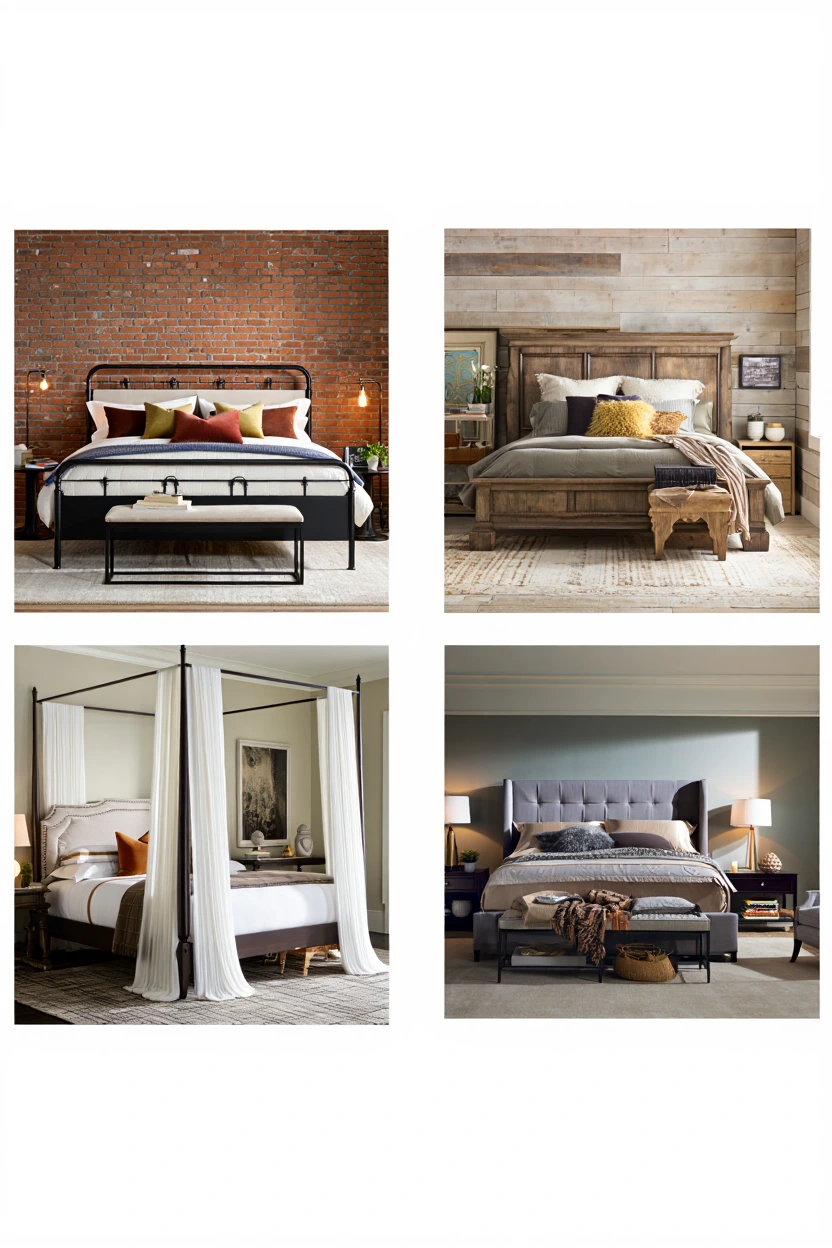
When my aunt redecorated her master bedroom, she realized how the bed frame anchors the entire décor. Your frame should complement your existing bedroom aesthetics and style rather than clash.
For example, a sleek metal frame fits urban or industrial designs, whereas a wooden frame adds warmth and tradition. An upholstered bed frame contributes softness and luxury, while a four-poster bed offers grandeur suitable for classic and romantic themes.
Furthermore, consider color palettes, textures, and headboard styles. The craftsmanship of the frame evident in joinery and finishes also elevates room quality. One of the best ways to blend your frame with bedroom styles is by selecting coordinating accessories, such as matching side tables or lamps.
Through thoughtful selection of the bed frame, you can enhance not only your mattress foundation but also your overall home decor.
Comparing Bed Frame Types: Pros and Cons

Platform Bed Frame
A platform bed frame supports the mattress without a box spring, offering firm support and a modern look. It saves money and space but may feel too firm for some sleepers. Additionally, platform beds often feature clean lines, blending well with minimalist bedroom styles.
Metal Bed Frame
Metal bed frames boast durability and affordability. Lightweight yet strong, they offer easy mobility. However, some users find them less warm or cozy compared to wood. Also, metal frames can sometimes creak, although quality models reduce noise.
Adjustable Bed Frame
An adjustable bed frame allows head and foot elevation, ideal for reading or health needs. These frames improve sleep quality but tend to be pricey and heavier. They often require specific mattresses compatible with movement.
Four-Poster or Canopy Bed Frame
The elegance of a four-poster bed creates a statement, especially when draped with fabric. This traditional design suits large bedrooms and offers an impression of luxury. On the other hand, they consume considerable space and tend to be more expensive.
Bunk Bed
Optimal for children or shared rooms, bunk beds maximize vertical space. They are compact and fun but not suitable for everyone’s sleep needs due to height and safety concerns. Bunk beds often have simple metal or wood frames.
Upholstered Bed Frame
By covering the frame with fabric or leather, an upholstered bed frame adds softness and comfort. It gives bedrooms a cozy atmosphere. However, fabric can stain and requires maintenance.
Wrought-Iron Bed Frame
A classic wrought-iron bed offers intricate design and sturdy construction. These frames add a vintage or gothic touch but might feel heavy visually and physically. The craftsmanship shines in detailed scrollwork or decorative frames.
Storage Bed Frame
A storage bed frame integrates drawers or compartments under the mattress. Perfect for small rooms needing additional storage. While practical, these beds are often more expensive and heavier to move.
Wood Bed Frame
Solid wood bed frames are timeless, offering strength and variety in finishes. They fit well with rustic, traditional, or modern themes based on design. However, they might be pricier and susceptible to moisture damage if untreated.
| Bed Frame Type | Advantages | Disadvantages |
|---|---|---|
| Platform Bed Frame | No box spring needed, sleek look | Can be too firm for some |
| Metal Bed Frame | Durable, lightweight | May creak, less cozy |
| Adjustable Bed Frame | Adjustable for comfort | Expensive, bulky |
| Four-Poster Bed Frame | Dramatic, luxurious appeal | Large footprint, costly |
| Bunk Bed | Space-saving, fun for kids | Safety issues, limited for adults |
| Upholstered Bed Frame | Soft, cozy appearance | Requires upkeep, stains possible |
| Wrought-Iron Bed Frame | Ornate design, sturdy | Heavy, visually imposing |
| Storage Bed Frame | Extra storage, space-saving | Expensive, heavy |
| Wood Bed Frame | Durable, versatile styles | Costly, requires care |
This comparison provides a clear overview to help you decide based on your lifestyle, bedroom size, and aesthetic preferences.
FAQs
How much should you spend on a bed frame?
It depends on your budget and desired quality. A solid hardwood frame may cost $500 or more but lasts decades. Budget frames start at $100. Balance upfront cost with durability and style.
Does a bed frame make a difference?
Yes, a good bed frame impacts mattress support, sleep quality, and bedroom decor. Poor frames can cause mattress sagging and discomfort.
How do you make sure your bed frame matches your bed?
Match dimensions and mattress type. Measure mattress size and room space. Check if your mattress needs a box spring or platform support.
What type of bed frame does not need a box spring?
Platform bed frames typically do not require a box spring since they provide solid or slatted support directly under the mattress.
Can a bed frame affect sleep quality?
Definitely. A stable frame prevents movement and sagging, contributing to better rest. Adjustable frames can improve comfort for specific needs.
Are metal frames more durable than wood?
Metal frames are often lighter and resistant to warping, but solid wood offers longer-lasting strength and style versatility.
What bed frame styles work best for small bedrooms?
Platform beds, storage beds, and bunk beds save space and reduce clutter, enhancing bedroom size perception.
How do I protect my flooring from my bed frame?
Use felt pads, rubber caps, or a rug beneath the legs to prevent scratches and dents on wood or tile floors.
After reflecting on everything I have learned and experienced, I know choosing the right bed frame involves many factors: budget, size, height, support, and style. Each element influences comfort, durability, and bedroom aesthetics.
Whether you choose a sturdy wood frame to match your traditional decor or a sleek metal bed frame for a modern touch, the right foundation can vastly improve your sleep and room ambiance. Remember, prioritizing proper mattress support and compatibility saves future trouble. I encourage you to weigh all the options carefully and invest in a frame that offers both function and beauty.
Have you found the perfect bed frame for your home? Share your experiences and questions in the comments, and subscribe for more home decor and sleep tips!