
-
Furniture & Layout
The positioning of furniture plays a crucial role in bedroom acoustics. For instance, placing bookshelves against walls acts as a barrier against sound transmission 2. In addition, strategically arranging furniture can minimize echoes and vibrations. As an example, a large, upholstered headboard is attractive and quite effective at insulating noise.
-
Acoustical Society of America. “Effectively Absorbing Sound.” Acoustics Today, vol. 14, no. 4, 2018, pp. 36-43.
-
-
Textiles & Fabrics
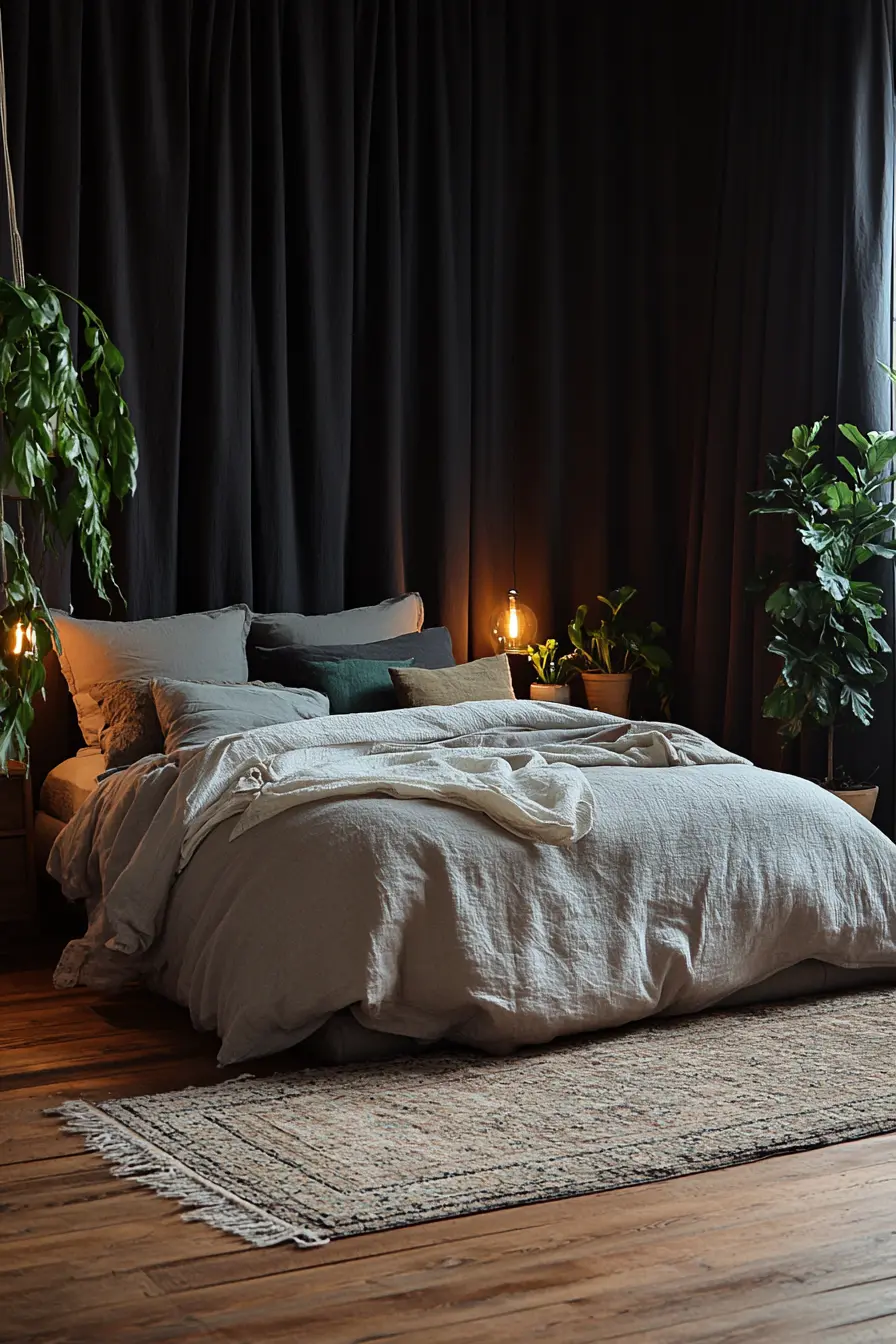
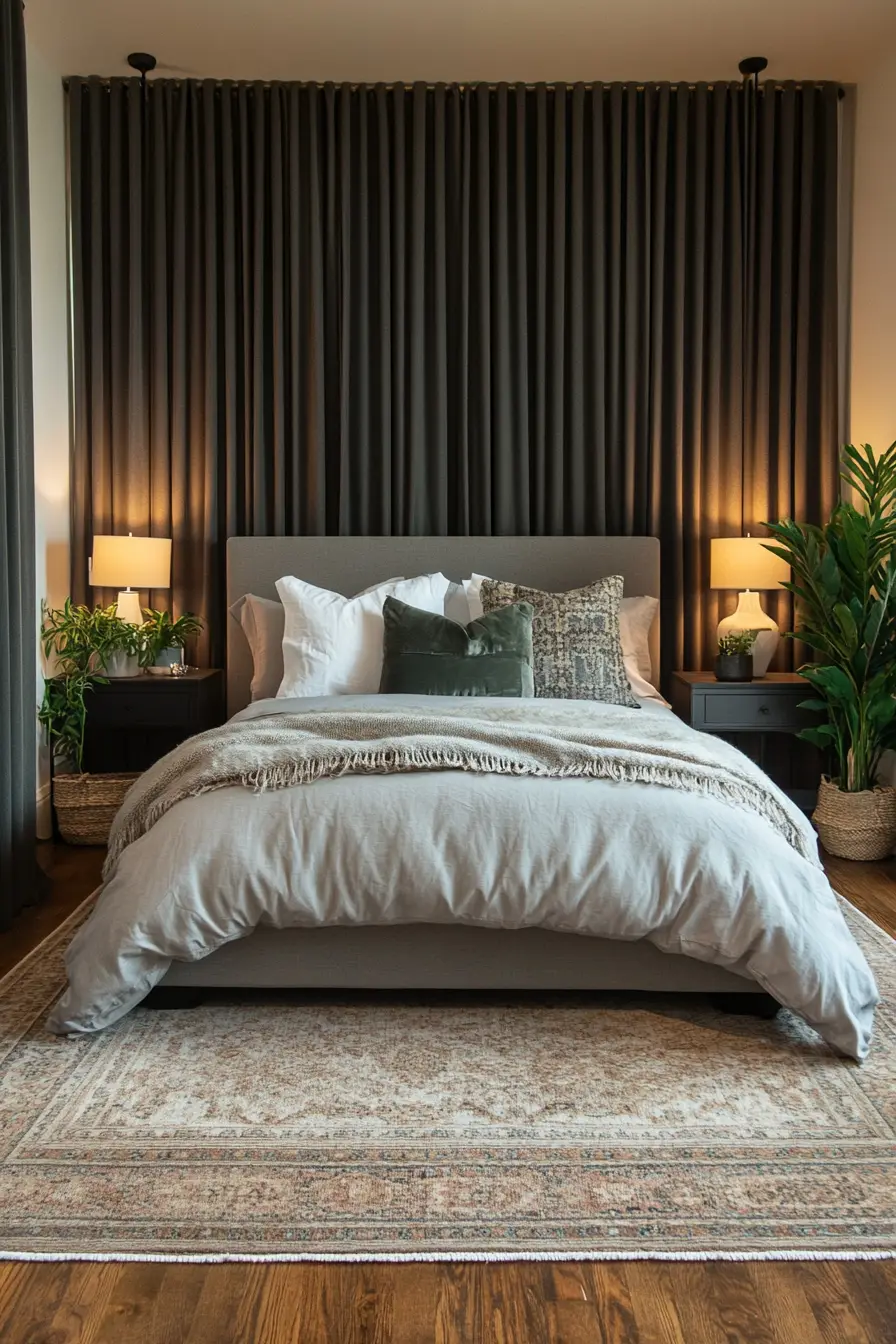
Textiles are our unexpected secret weapons in this noise-reducing design approach. Firstly, heavy curtains and tapestries help block outside noise. Furthermore, carpet for sound reduction offers significant benefit in damping sound from footsteps and echoes. Secondly, consider adding throws and cushions for extra sound absorption whilst boosting the cozy factor. Therefore, it is clear how textiles can completely transform a room.
-
Lighting & Ambience
Lighting creates the mood for relaxation. Avoid harsh overhead lights. Instead, consider dimmer switches, bedside lamps, or even candles to create a soft, warm glow in your tranquil bedroom. As an example, string lights or Himalayan salt lamps enhance ambience to promote relaxation. Thus, the incorporation of these options is worthwhile.
Styling Tips & Tricks
-
Layering Textures
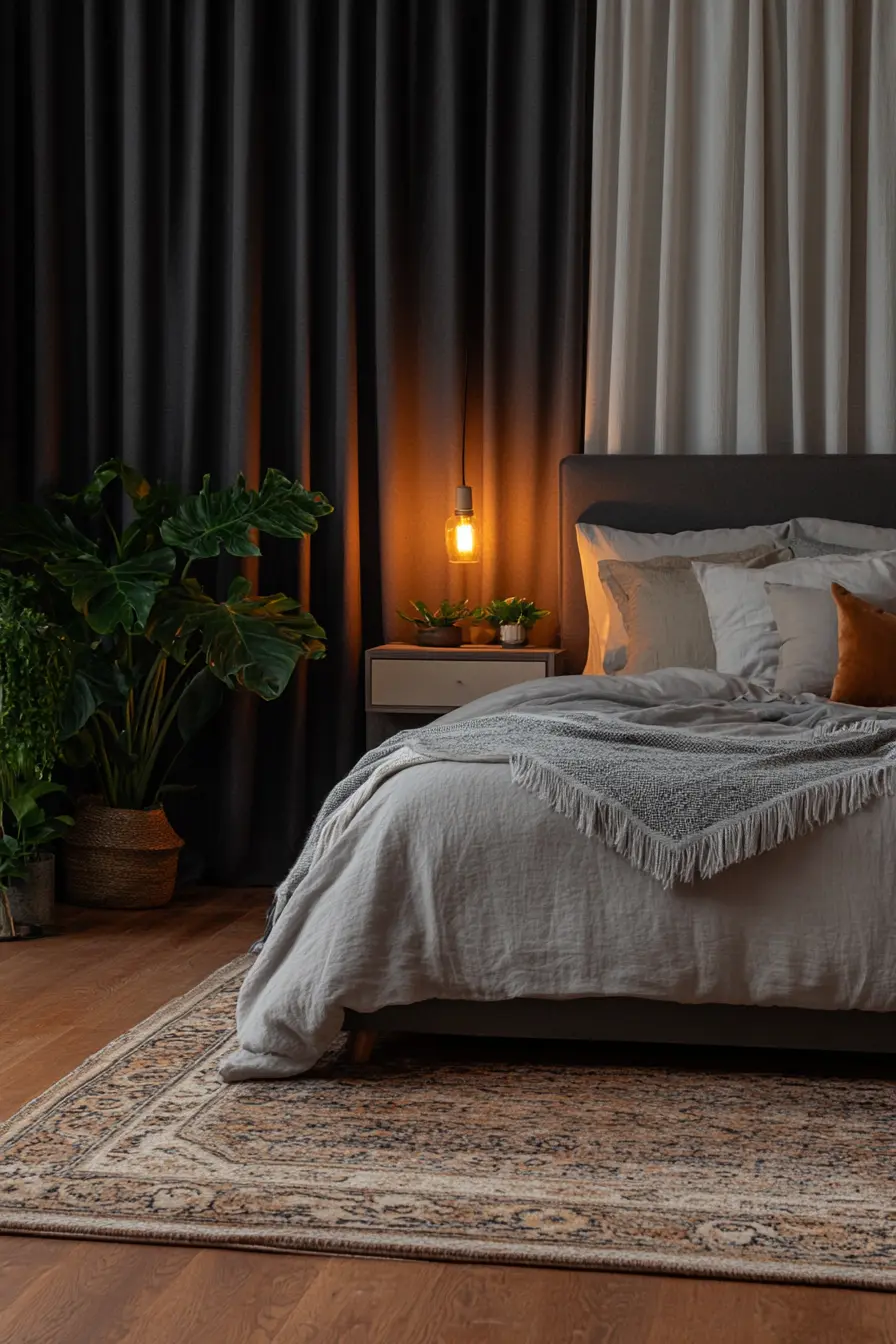
Combining different textures adds depth and interest to your bedroom. For instance, pair a soft velvet headboard with linen bedding and a chunky knit throw. On the other hand, introducing a variety of textures also helps to disperse sound waves in the room. Furthermore, this styling trick is an easy and aesthetically pleasing approach.
-
Mixing Patterns & Colors
Don’t be afraid to mix patterns and colors! However, it is recommended to maintain a cohesive theme. As an example, combining floral patterns with geometric prints in a similar color palette. Moreover a careful blend of visual elements creates a space that is both calming and stimulating. Therefore, embrace the boldness and make it your own.
-
Statement Pieces
Consider incorporating a few statement pieces that reflect your personality, and which draw the eye. For instance, a beautiful piece of artwork or a unique piece of furniture brings personality to the room. I believe it’s important to be selective and choose that piece to which you connect with strongly. Therefore, the addition of a singular piece makes a real difference.
Seasonal & Trend Variations
-
Spring & Summer Bedroom Refresh
In the warmer months, lighten up your sleep sanctuary with breezy linen bedding and light colors. Furthermore, adding fresh flowers and plants brings the outdoors in. I love keeping my plants in decorative pots. Secondly, because you are using lighter material, you may be able to incorporate additional sound dampening techniques, such as white noise machines, that would not necessarily be used in the winter.
-
Cozy Autumn Vibes
As the leaves change, I love transforming my bedroom into a cozy retreat. Then, I’ll add warm, earthy tones, soft blankets, and scented candles. As an illustration, a rich, layered duvet is a must. Therefore, the transition from season to season is always something to look forward to.
-
Winter Wonderland Retreat
In the winter, create a warm and inviting bedroom with thick blankets, faux fur throws, and warm lighting. Then, consider adding a humidifier to combat the dry winter air. Lastly, the season provides an opportunity to create a space that is deeply personal. Therefore, with these small adaptations, I am always ready to enjoy a season of comfort.
Mistakes to Avoid
One major error is neglecting acoustics when choosing furniture. Furthermore, overlooking soundproofing materials. Another mistake is using hard surfaces that bounce noise around the room. Therefore, remember to prioritize textiles. So, by being aware, these errors are highly avoidable.
Inspiration Gallery
*(This section would include visuals of bedrooms with noise reduction features, cozy color palettes, and textural elements – in a real blog, I’d embed images here.)*
Quick Shopping Guide
-
Noise Blocking Curtains: Target, Bed Bath & Beyond
-
Sound absorbing panels: Amazon, Home Depot
-
Carpets and Rugs: Lowe’s, Wayfair
-
Upholstered Headboards: Pottery Barn, West Elm
FAQs
-
How effective are noise blocking curtains? Noise blocking curtains reduce noise by up to 20 decibels, according to research 3. They are particularly beneficial for blocking high frequency noises.
-
Consumer Reports. “Best Curtains to Block Light: Noise Reduction Tests.” Accessed October 24, 2024.
-
-
What are some DIY bedroom soundproofing tips? You can use blankets or tapestries to cover walls. Secondly, sealing gaps in windows and doors with weather stripping also helps.
-
Is it worth installing bedroom insulation for noise reduction? Yes, insulation significantly improves noise reduction. Furthermore, it also improves energy efficiency.
-
What type of carpet is best for sound reduction? High pile carpets with dense padding are the most effective at absorbing sound. Therefore, this is something to bear in mind when shopping.
-
How can I block noise from a shared apartment wall? Place furniture against the wall, particularly bookshelves. In addition, sound absorbing materials can be adhered directly to the wall.
-
Are there any plants that help reduce noise? Plants can provide a small degree of noise reduction by absorbing sound waves. Secondly, denser foliage does a better job than thinner, more open leaves.
-
How do I deal with creaky floors in my bedroom? Use rugs to dampen the sound. Moreover, you can try lubricating the floorboards if accessible.
-
Can I use egg cartons for soundproofing? Egg cartons provide minimal bedroom acoustics improvement and are not aesthetically pleasing. Therefore, it’s best to stick to options professionally built for sound absorption.
To conclude, by focusing on elements like optimizing furniture, incorporating specialized textiles, and paying attention to room layout, you can greatly reduce noise and significantly improve your sleep quality. Then, I encourage you to embrace these techniques and transform your room. Now, why not share your own bedroom transformation tips in the comments below?
-
Impact on Mood & Wellbeing
A noisy bedroom is truly a wolf in sheep’s clothing for our health; I know, because I have experienced it firsthand. Chronic noise levels can disturb our sleep which leads to increased stress, irritability, and decreased cognitive function 1. A restful sleep environment isn’t just about aesthetics; moreover, it’s about maintaining physical and mental health. In addition, think about the impact on your relationships. A well rested and rejuvenated individual interacts with the world much better. Thus, this highlights how crucial a sound insulated space can be.
-
Basner, M., et al. “Auditory and non-auditory effects of noise on health.” The Lancet, vol. 383, no. 9925, 2014, pp. 1325-1332.
-
-
Boosting Aesthetic Appeal
While functionality is key, bedroom noise reduction doesn’t need to compromise on design. As a matter of fact, it can actually enhance your bedroom’s aesthetic! On the other hand, imagine thick, luxurious curtains that not only block outside noise but also add a touch of elegance. Furthermore sound absorbing panels, when thoughtfully chosen, introduce textural interest and visual appeal. Therefore, I always say that a quiet space is simply a more beautiful space.
-
Function Meets Comfort
Creating a bedroom that caters to both sound and looks is totally achievable. As an illustration, sound absorbing materials like upholstered headboards and plush rugs contribute to a luxurious feel. Besides this, strategically placed furniture and soft textiles work in harmony to offer both bedroom comfort and acoustic control. I find this blend of elements transforms a bedroom into a cozy and quiet refuge.
Planning Your bedroom noise reduction
-
Setting a Vision & Mood Board
Before you start spending money, I suggest you take a moment to visualize your sleep sanctuary. Then, create a mood board, gathering images and textures that evoke feelings of calm and serenity. This serves as a guide, helping you make decisions that align with your desired atmosphere. Because it’s your personal oasis, every element should reflect and amplify your inner peace.
-
Choosing the Right Color Palette
Color significantly influences mood and affects our perception of space. Firstly, cool and muted tones like blues, greens, and grays are known for their calming and relaxing properties. Therefore, consider incorporating these colors into your walls, bedding, and accessories to create a truly peaceful bedroom design. Secondly, remember the effect of light on color and test paint swatches at different times of day to see how it changes.
-
Budget & Resource Planning
Before diving in, I recommend setting a realistic budget. Begin by doing your research. Prices for noise control solutions vary widely, so it’s helpful to understand the different options and their costs. Moreover, consider DIY options like adding rugs or moving furniture to save money. Therefore, planning allows optimization of resources and avoids overspending.
Essential Elements of bedroom noise reduction
-
Furniture & Layout
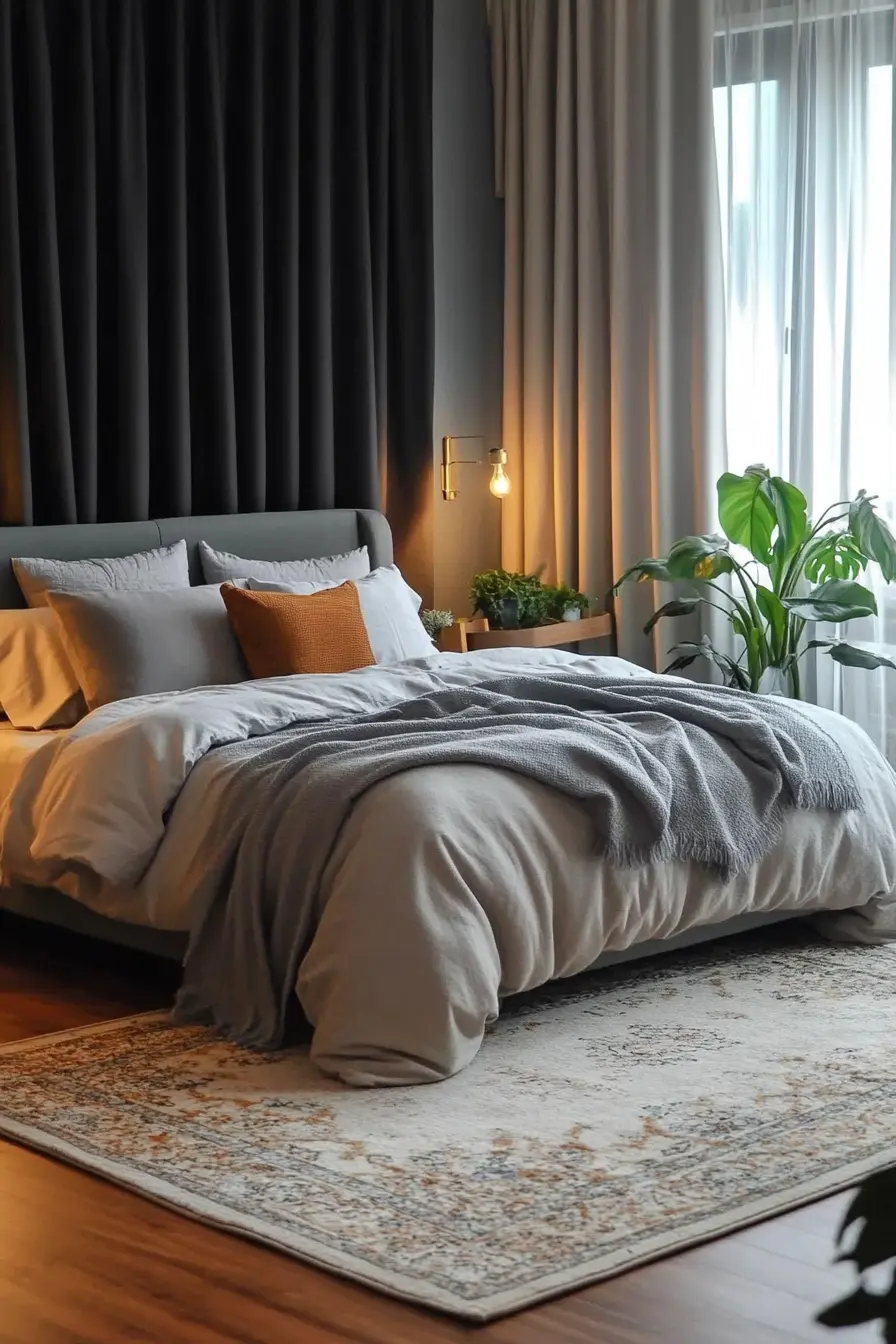
The positioning of furniture plays a crucial role in bedroom acoustics. For instance, placing bookshelves against walls acts as a barrier against sound transmission 2. In addition, strategically arranging furniture can minimize echoes and vibrations. As an example, a large, upholstered headboard is attractive and quite effective at insulating noise.
-
Acoustical Society of America. “Effectively Absorbing Sound.” Acoustics Today, vol. 14, no. 4, 2018, pp. 36-43.
-
-
Textiles & Fabrics
Textiles are our unexpected secret weapons in this noise-reducing design approach. Firstly, heavy curtains and tapestries help block outside noise. Furthermore, carpet for sound reduction offers significant benefit in damping sound from footsteps and echoes. Secondly, consider adding throws and cushions for extra sound absorption whilst boosting the cozy factor. Therefore, it is clear how textiles can completely transform a room.
-
Lighting & Ambience
Lighting creates the mood for relaxation. Avoid harsh overhead lights. Instead, consider dimmer switches, bedside lamps, or even candles to create a soft, warm glow in your tranquil bedroom. As an example, string lights or Himalayan salt lamps enhance ambience to promote relaxation. Thus, the incorporation of these options is worthwhile.
Styling Tips & Tricks
-
Layering Textures
Combining different textures adds depth and interest to your bedroom. For instance, pair a soft velvet headboard with linen bedding and a chunky knit throw. On the other hand, introducing a variety of textures also helps to disperse sound waves in the room. Furthermore, this styling trick is an easy and aesthetically pleasing approach.
-
Mixing Patterns & Colors
Don’t be afraid to mix patterns and colors! However, it is recommended to maintain a cohesive theme. As an example, combining floral patterns with geometric prints in a similar color palette. Moreover a careful blend of visual elements creates a space that is both calming and stimulating. Therefore, embrace the boldness and make it your own.
-
Statement Pieces
Consider incorporating a few statement pieces that reflect your personality, and which draw the eye. For instance, a beautiful piece of artwork or a unique piece of furniture brings personality to the room. I believe it’s important to be selective and choose that piece to which you connect with strongly. Therefore, the addition of a singular piece makes a real difference.
Seasonal & Trend Variations
-
Spring & Summer Bedroom Refresh
In the warmer months, lighten up your sleep sanctuary with breezy linen bedding and light colors. Furthermore, adding fresh flowers and plants brings the outdoors in. I love keeping my plants in decorative pots. Secondly, because you are using lighter material, you may be able to incorporate additional sound dampening techniques, such as white noise machines, that would not necessarily be used in the winter.
-
Cozy Autumn Vibes
As the leaves change, I love transforming my bedroom into a cozy retreat. Then, I’ll add warm, earthy tones, soft blankets, and scented candles. As an illustration, a rich, layered duvet is a must. Therefore, the transition from season to season is always something to look forward to.
-
Winter Wonderland Retreat
In the winter, create a warm and inviting bedroom with thick blankets, faux fur throws, and warm lighting. Then, consider adding a humidifier to combat the dry winter air. Lastly, the season provides an opportunity to create a space that is deeply personal. Therefore, with these small adaptations, I am always ready to enjoy a season of comfort.
Mistakes to Avoid
One major error is neglecting acoustics when choosing furniture. Furthermore, overlooking soundproofing materials. Another mistake is using hard surfaces that bounce noise around the room. Therefore, remember to prioritize textiles. So, by being aware, these errors are highly avoidable.
Inspiration Gallery
*(This section would include visuals of bedrooms with noise reduction features, cozy color palettes, and textural elements – in a real blog, I’d embed images here.)*
Quick Shopping Guide
-
Noise Blocking Curtains: Target, Bed Bath & Beyond
-
Sound absorbing panels: Amazon, Home Depot
-
Carpets and Rugs: Lowe’s, Wayfair
-
Upholstered Headboards: Pottery Barn, West Elm
FAQs
-
How effective are noise blocking curtains? Noise blocking curtains reduce noise by up to 20 decibels, according to research 3. They are particularly beneficial for blocking high frequency noises.
-
Consumer Reports. “Best Curtains to Block Light: Noise Reduction Tests.” Accessed October 24, 2024.
-
-
What are some DIY bedroom soundproofing tips? You can use blankets or tapestries to cover walls. Secondly, sealing gaps in windows and doors with weather stripping also helps.
-
Is it worth installing bedroom insulation for noise reduction? Yes, insulation significantly improves noise reduction. Furthermore, it also improves energy efficiency.
-
What type of carpet is best for sound reduction? High pile carpets with dense padding are the most effective at absorbing sound. Therefore, this is something to bear in mind when shopping.
-
How can I block noise from a shared apartment wall? Place furniture against the wall, particularly bookshelves. In addition, sound absorbing materials can be adhered directly to the wall.
-
Are there any plants that help reduce noise? Plants can provide a small degree of noise reduction by absorbing sound waves. Secondly, denser foliage does a better job than thinner, more open leaves.
-
How do I deal with creaky floors in my bedroom? Use rugs to dampen the sound. Moreover, you can try lubricating the floorboards if accessible.
-
Can I use egg cartons for soundproofing? Egg cartons provide minimal bedroom acoustics improvement and are not aesthetically pleasing. Therefore, it’s best to stick to options professionally built for sound absorption.
To conclude, by focusing on elements like optimizing furniture, incorporating specialized textiles, and paying attention to room layout, you can greatly reduce noise and significantly improve your sleep quality. Then, I encourage you to embrace these techniques and transform your room. Now, why not share your own bedroom transformation tips in the comments below?
-
Impact on Mood & Wellbeing
A noisy bedroom is truly a wolf in sheep’s clothing for our health; I know, because I have experienced it firsthand. Chronic noise levels can disturb our sleep which leads to increased stress, irritability, and decreased cognitive function 1. A restful sleep environment isn’t just about aesthetics; moreover, it’s about maintaining physical and mental health. In addition, think about the impact on your relationships. A well rested and rejuvenated individual interacts with the world much better. Thus, this highlights how crucial a sound insulated space can be.
-
Basner, M., et al. “Auditory and non-auditory effects of noise on health.” The Lancet, vol. 383, no. 9925, 2014, pp. 1325-1332.
-
-
Boosting Aesthetic Appeal
While functionality is key, bedroom noise reduction doesn’t need to compromise on design. As a matter of fact, it can actually enhance your bedroom’s aesthetic! On the other hand, imagine thick, luxurious curtains that not only block outside noise but also add a touch of elegance. Furthermore sound absorbing panels, when thoughtfully chosen, introduce textural interest and visual appeal. Therefore, I always say that a quiet space is simply a more beautiful space.
-
Function Meets Comfort
Creating a bedroom that caters to both sound and looks is totally achievable. As an illustration, sound absorbing materials like upholstered headboards and plush rugs contribute to a luxurious feel. Besides this, strategically placed furniture and soft textiles work in harmony to offer both bedroom comfort and acoustic control. I find this blend of elements transforms a bedroom into a cozy and quiet refuge.
Planning Your bedroom noise reduction
-
Setting a Vision & Mood Board
Before you start spending money, I suggest you take a moment to visualize your sleep sanctuary. Then, create a mood board, gathering images and textures that evoke feelings of calm and serenity. This serves as a guide, helping you make decisions that align with your desired atmosphere. Because it’s your personal oasis, every element should reflect and amplify your inner peace.
-
Choosing the Right Color Palette
Color significantly influences mood and affects our perception of space. Firstly, cool and muted tones like blues, greens, and grays are known for their calming and relaxing properties. Therefore, consider incorporating these colors into your walls, bedding, and accessories to create a truly peaceful bedroom design. Secondly, remember the effect of light on color and test paint swatches at different times of day to see how it changes.
-
Budget & Resource Planning
Before diving in, I recommend setting a realistic budget. Begin by doing your research. Prices for noise control solutions vary widely, so it’s helpful to understand the different options and their costs. Moreover, consider DIY options like adding rugs or moving furniture to save money. Therefore, planning allows optimization of resources and avoids overspending.
Essential Elements of bedroom noise reduction
-
Furniture & Layout
The positioning of furniture plays a crucial role in bedroom acoustics. For instance, placing bookshelves against walls acts as a barrier against sound transmission 2. In addition, strategically arranging furniture can minimize echoes and vibrations. As an example, a large, upholstered headboard is attractive and quite effective at insulating noise.
-
Acoustical Society of America. “Effectively Absorbing Sound.” Acoustics Today, vol. 14, no. 4, 2018, pp. 36-43.
-
-
Textiles & Fabrics
Textiles are our unexpected secret weapons in this noise-reducing design approach. Firstly, heavy curtains and tapestries help block outside noise. Furthermore, carpet for sound reduction offers significant benefit in damping sound from footsteps and echoes. Secondly, consider adding throws and cushions for extra sound absorption whilst boosting the cozy factor. Therefore, it is clear how textiles can completely transform a room.
-
Lighting & Ambience
Lighting creates the mood for relaxation. Avoid harsh overhead lights. Instead, consider dimmer switches, bedside lamps, or even candles to create a soft, warm glow in your tranquil bedroom. As an example, string lights or Himalayan salt lamps enhance ambience to promote relaxation. Thus, the incorporation of these options is worthwhile.
Styling Tips & Tricks
-
Layering Textures
Combining different textures adds depth and interest to your bedroom. For instance, pair a soft velvet headboard with linen bedding and a chunky knit throw. On the other hand, introducing a variety of textures also helps to disperse sound waves in the room. Furthermore, this styling trick is an easy and aesthetically pleasing approach.
-
Mixing Patterns & Colors
Don’t be afraid to mix patterns and colors! However, it is recommended to maintain a cohesive theme. As an example, combining floral patterns with geometric prints in a similar color palette. Moreover a careful blend of visual elements creates a space that is both calming and stimulating. Therefore, embrace the boldness and make it your own.
-
Statement Pieces
Consider incorporating a few statement pieces that reflect your personality, and which draw the eye. For instance, a beautiful piece of artwork or a unique piece of furniture brings personality to the room. I believe it’s important to be selective and choose that piece to which you connect with strongly. Therefore, the addition of a singular piece makes a real difference.
Seasonal & Trend Variations
-
Spring & Summer Bedroom Refresh
In the warmer months, lighten up your sleep sanctuary with breezy linen bedding and light colors. Furthermore, adding fresh flowers and plants brings the outdoors in. I love keeping my plants in decorative pots. Secondly, because you are using lighter material, you may be able to incorporate additional sound dampening techniques, such as white noise machines, that would not necessarily be used in the winter.
-
Cozy Autumn Vibes
As the leaves change, I love transforming my bedroom into a cozy retreat. Then, I’ll add warm, earthy tones, soft blankets, and scented candles. As an illustration, a rich, layered duvet is a must. Therefore, the transition from season to season is always something to look forward to.
-
Winter Wonderland Retreat
In the winter, create a warm and inviting bedroom with thick blankets, faux fur throws, and warm lighting. Then, consider adding a humidifier to combat the dry winter air. Lastly, the season provides an opportunity to create a space that is deeply personal. Therefore, with these small adaptations, I am always ready to enjoy a season of comfort.
Mistakes to Avoid
One major error is neglecting acoustics when choosing furniture. Furthermore, overlooking soundproofing materials. Another mistake is using hard surfaces that bounce noise around the room. Therefore, remember to prioritize textiles. So, by being aware, these errors are highly avoidable.
Inspiration Gallery
*(This section would include visuals of bedrooms with noise reduction features, cozy color palettes, and textural elements – in a real blog, I’d embed images here.)*
Quick Shopping Guide
-
Noise Blocking Curtains: Target, Bed Bath & Beyond
-
Sound absorbing panels: Amazon, Home Depot
-
Carpets and Rugs: Lowe’s, Wayfair
-
Upholstered Headboards: Pottery Barn, West Elm
FAQs
-
How effective are noise blocking curtains? Noise blocking curtains reduce noise by up to 20 decibels, according to research 3. They are particularly beneficial for blocking high frequency noises.
-
Consumer Reports. “Best Curtains to Block Light: Noise Reduction Tests.” Accessed October 24, 2024.
-
-
What are some DIY bedroom soundproofing tips? You can use blankets or tapestries to cover walls. Secondly, sealing gaps in windows and doors with weather stripping also helps.
-
Is it worth installing bedroom insulation for noise reduction? Yes, insulation significantly improves noise reduction. Furthermore, it also improves energy efficiency.
-
What type of carpet is best for sound reduction? High pile carpets with dense padding are the most effective at absorbing sound. Therefore, this is something to bear in mind when shopping.
-
How can I block noise from a shared apartment wall? Place furniture against the wall, particularly bookshelves. In addition, sound absorbing materials can be adhered directly to the wall.
-
Are there any plants that help reduce noise? Plants can provide a small degree of noise reduction by absorbing sound waves. Secondly, denser foliage does a better job than thinner, more open leaves.
-
How do I deal with creaky floors in my bedroom? Use rugs to dampen the sound. Moreover, you can try lubricating the floorboards if accessible.
-
Can I use egg cartons for soundproofing? Egg cartons provide minimal bedroom acoustics improvement and are not aesthetically pleasing. Therefore, it’s best to stick to options professionally built for sound absorption.
To conclude, by focusing on elements like optimizing furniture, incorporating specialized textiles, and paying attention to room layout, you can greatly reduce noise and significantly improve your sleep quality. Then, I encourage you to embrace these techniques and transform your room. Now, why not share your own bedroom transformation tips in the comments below?
-
Furniture & Layout
The positioning of furniture plays a crucial role in bedroom acoustics. For instance, placing bookshelves against walls acts as a barrier against sound transmission 2. In addition, strategically arranging furniture can minimize echoes and vibrations. As an example, a large, upholstered headboard is attractive and quite effective at insulating noise.
-
Acoustical Society of America. “Effectively Absorbing Sound.” Acoustics Today, vol. 14, no. 4, 2018, pp. 36-43.
-
-
Textiles & Fabrics
Textiles are our unexpected secret weapons in this noise-reducing design approach. Firstly, heavy curtains and tapestries help block outside noise. Furthermore, carpet for sound reduction offers significant benefit in damping sound from footsteps and echoes. Secondly, consider adding throws and cushions for extra sound absorption whilst boosting the cozy factor. Therefore, it is clear how textiles can completely transform a room.
-
Lighting & Ambience
Lighting creates the mood for relaxation. Avoid harsh overhead lights. Instead, consider dimmer switches, bedside lamps, or even candles to create a soft, warm glow in your tranquil bedroom. As an example, string lights or Himalayan salt lamps enhance ambience to promote relaxation. Thus, the incorporation of these options is worthwhile.
Styling Tips & Tricks
-
Layering Textures
Combining different textures adds depth and interest to your bedroom. For instance, pair a soft velvet headboard with linen bedding and a chunky knit throw. On the other hand, introducing a variety of textures also helps to disperse sound waves in the room. Furthermore, this styling trick is an easy and aesthetically pleasing approach.
-
Mixing Patterns & Colors
Don’t be afraid to mix patterns and colors! However, it is recommended to maintain a cohesive theme. As an example, combining floral patterns with geometric prints in a similar color palette. Moreover a careful blend of visual elements creates a space that is both calming and stimulating. Therefore, embrace the boldness and make it your own.
-
Statement Pieces
Consider incorporating a few statement pieces that reflect your personality, and which draw the eye. For instance, a beautiful piece of artwork or a unique piece of furniture brings personality to the room. I believe it’s important to be selective and choose that piece to which you connect with strongly. Therefore, the addition of a singular piece makes a real difference.
Seasonal & Trend Variations
-
Spring & Summer Bedroom Refresh
In the warmer months, lighten up your sleep sanctuary with breezy linen bedding and light colors. Furthermore, adding fresh flowers and plants brings the outdoors in. I love keeping my plants in decorative pots. Secondly, because you are using lighter material, you may be able to incorporate additional sound dampening techniques, such as white noise machines, that would not necessarily be used in the winter.
-
Cozy Autumn Vibes
As the leaves change, I love transforming my bedroom into a cozy retreat. Then, I’ll add warm, earthy tones, soft blankets, and scented candles. As an illustration, a rich, layered duvet is a must. Therefore, the transition from season to season is always something to look forward to.
-
Winter Wonderland Retreat
In the winter, create a warm and inviting bedroom with thick blankets, faux fur throws, and warm lighting. Then, consider adding a humidifier to combat the dry winter air. Lastly, the season provides an opportunity to create a space that is deeply personal. Therefore, with these small adaptations, I am always ready to enjoy a season of comfort.
Mistakes to Avoid
One major error is neglecting acoustics when choosing furniture. Furthermore, overlooking soundproofing materials. Another mistake is using hard surfaces that bounce noise around the room. Therefore, remember to prioritize textiles. So, by being aware, these errors are highly avoidable.
Inspiration Gallery
*(This section would include visuals of bedrooms with noise reduction features, cozy color palettes, and textural elements – in a real blog, I’d embed images here.)*
Quick Shopping Guide
-
Noise Blocking Curtains: Target, Bed Bath & Beyond
-
Sound absorbing panels: Amazon, Home Depot
-
Carpets and Rugs: Lowe’s, Wayfair
-
Upholstered Headboards: Pottery Barn, West Elm
FAQs
-
How effective are noise blocking curtains? Noise blocking curtains reduce noise by up to 20 decibels, according to research 3. They are particularly beneficial for blocking high frequency noises.
-
Consumer Reports. “Best Curtains to Block Light: Noise Reduction Tests.” Accessed October 24, 2024.
-
-
What are some DIY bedroom soundproofing tips? You can use blankets or tapestries to cover walls. Secondly, sealing gaps in windows and doors with weather stripping also helps.
-
Is it worth installing bedroom insulation for noise reduction? Yes, insulation significantly improves noise reduction. Furthermore, it also improves energy efficiency.
-
What type of carpet is best for sound reduction? High pile carpets with dense padding are the most effective at absorbing sound. Therefore, this is something to bear in mind when shopping.
-
How can I block noise from a shared apartment wall? Place furniture against the wall, particularly bookshelves. In addition, sound absorbing materials can be adhered directly to the wall.
-
Are there any plants that help reduce noise? Plants can provide a small degree of noise reduction by absorbing sound waves. Secondly, denser foliage does a better job than thinner, more open leaves.
-
How do I deal with creaky floors in my bedroom? Use rugs to dampen the sound. Moreover, you can try lubricating the floorboards if accessible.
-
Can I use egg cartons for soundproofing? Egg cartons provide minimal bedroom acoustics improvement and are not aesthetically pleasing. Therefore, it’s best to stick to options professionally built for sound absorption.
To conclude, by focusing on elements like optimizing furniture, incorporating specialized textiles, and paying attention to room layout, you can greatly reduce noise and significantly improve your sleep quality. Then, I encourage you to embrace these techniques and transform your room. Now, why not share your own bedroom transformation tips in the comments below?
-
Impact on Mood & Wellbeing
A noisy bedroom is truly a wolf in sheep’s clothing for our health; I know, because I have experienced it firsthand. Chronic noise levels can disturb our sleep which leads to increased stress, irritability, and decreased cognitive function 1. A restful sleep environment isn’t just about aesthetics; moreover, it’s about maintaining physical and mental health. In addition, think about the impact on your relationships. A well rested and rejuvenated individual interacts with the world much better. Thus, this highlights how crucial a sound insulated space can be.
-
Basner, M., et al. “Auditory and non-auditory effects of noise on health.” The Lancet, vol. 383, no. 9925, 2014, pp. 1325-1332.
-
-
Boosting Aesthetic Appeal
While functionality is key, bedroom noise reduction doesn’t need to compromise on design. As a matter of fact, it can actually enhance your bedroom’s aesthetic! On the other hand, imagine thick, luxurious curtains that not only block outside noise but also add a touch of elegance. Furthermore sound absorbing panels, when thoughtfully chosen, introduce textural interest and visual appeal. Therefore, I always say that a quiet space is simply a more beautiful space.
-
Function Meets Comfort
Creating a bedroom that caters to both sound and looks is totally achievable. As an illustration, sound absorbing materials like upholstered headboards and plush rugs contribute to a luxurious feel. Besides this, strategically placed furniture and soft textiles work in harmony to offer both bedroom comfort and acoustic control. I find this blend of elements transforms a bedroom into a cozy and quiet refuge.
Planning Your bedroom noise reduction
-
Setting a Vision & Mood Board
Before you start spending money, I suggest you take a moment to visualize your sleep sanctuary. Then, create a mood board, gathering images and textures that evoke feelings of calm and serenity. This serves as a guide, helping you make decisions that align with your desired atmosphere. Because it’s your personal oasis, every element should reflect and amplify your inner peace.
-
Choosing the Right Color Palette
Color significantly influences mood and affects our perception of space. Firstly, cool and muted tones like blues, greens, and grays are known for their calming and relaxing properties. Therefore, consider incorporating these colors into your walls, bedding, and accessories to create a truly peaceful bedroom design. Secondly, remember the effect of light on color and test paint swatches at different times of day to see how it changes.
-
Budget & Resource Planning
Before diving in, I recommend setting a realistic budget. Begin by doing your research. Prices for noise control solutions vary widely, so it’s helpful to understand the different options and their costs. Moreover, consider DIY options like adding rugs or moving furniture to save money. Therefore, planning allows optimization of resources and avoids overspending.
Essential Elements of bedroom noise reduction
-
Furniture & Layout
The positioning of furniture plays a crucial role in bedroom acoustics. For instance, placing bookshelves against walls acts as a barrier against sound transmission 2. In addition, strategically arranging furniture can minimize echoes and vibrations. As an example, a large, upholstered headboard is attractive and quite effective at insulating noise.
-
Acoustical Society of America. “Effectively Absorbing Sound.” Acoustics Today, vol. 14, no. 4, 2018, pp. 36-43.
-
-
Textiles & Fabrics
Textiles are our unexpected secret weapons in this noise-reducing design approach. Firstly, heavy curtains and tapestries help block outside noise. Furthermore, carpet for sound reduction offers significant benefit in damping sound from footsteps and echoes. Secondly, consider adding throws and cushions for extra sound absorption whilst boosting the cozy factor. Therefore, it is clear how textiles can completely transform a room.
-
Lighting & Ambience
Lighting creates the mood for relaxation. Avoid harsh overhead lights. Instead, consider dimmer switches, bedside lamps, or even candles to create a soft, warm glow in your tranquil bedroom. As an example, string lights or Himalayan salt lamps enhance ambience to promote relaxation. Thus, the incorporation of these options is worthwhile.
Styling Tips & Tricks
-
Layering Textures
Combining different textures adds depth and interest to your bedroom. For instance, pair a soft velvet headboard with linen bedding and a chunky knit throw. On the other hand, introducing a variety of textures also helps to disperse sound waves in the room. Furthermore, this styling trick is an easy and aesthetically pleasing approach.
-
Mixing Patterns & Colors
Don’t be afraid to mix patterns and colors! However, it is recommended to maintain a cohesive theme. As an example, combining floral patterns with geometric prints in a similar color palette. Moreover a careful blend of visual elements creates a space that is both calming and stimulating. Therefore, embrace the boldness and make it your own.
-
Statement Pieces
Consider incorporating a few statement pieces that reflect your personality, and which draw the eye. For instance, a beautiful piece of artwork or a unique piece of furniture brings personality to the room. I believe it’s important to be selective and choose that piece to which you connect with strongly. Therefore, the addition of a singular piece makes a real difference.
Seasonal & Trend Variations
-
Spring & Summer Bedroom Refresh
In the warmer months, lighten up your sleep sanctuary with breezy linen bedding and light colors. Furthermore, adding fresh flowers and plants brings the outdoors in. I love keeping my plants in decorative pots. Secondly, because you are using lighter material, you may be able to incorporate additional sound dampening techniques, such as white noise machines, that would not necessarily be used in the winter.
-
Cozy Autumn Vibes
As the leaves change, I love transforming my bedroom into a cozy retreat. Then, I’ll add warm, earthy tones, soft blankets, and scented candles. As an illustration, a rich, layered duvet is a must. Therefore, the transition from season to season is always something to look forward to.
-
Winter Wonderland Retreat
In the winter, create a warm and inviting bedroom with thick blankets, faux fur throws, and warm lighting. Then, consider adding a humidifier to combat the dry winter air. Lastly, the season provides an opportunity to create a space that is deeply personal. Therefore, with these small adaptations, I am always ready to enjoy a season of comfort.
Mistakes to Avoid
One major error is neglecting acoustics when choosing furniture. Furthermore, overlooking soundproofing materials. Another mistake is using hard surfaces that bounce noise around the room. Therefore, remember to prioritize textiles. So, by being aware, these errors are highly avoidable.
Inspiration Gallery
*(This section would include visuals of bedrooms with noise reduction features, cozy color palettes, and textural elements – in a real blog, I’d embed images here.)*
Quick Shopping Guide
-
Noise Blocking Curtains: Target, Bed Bath & Beyond
-
Sound absorbing panels: Amazon, Home Depot
-
Carpets and Rugs: Lowe’s, Wayfair
-
Upholstered Headboards: Pottery Barn, West Elm
FAQs
-
How effective are noise blocking curtains? Noise blocking curtains reduce noise by up to 20 decibels, according to research 3. They are particularly beneficial for blocking high frequency noises.
-
Consumer Reports. “Best Curtains to Block Light: Noise Reduction Tests.” Accessed October 24, 2024.
-
-
What are some DIY bedroom soundproofing tips? You can use blankets or tapestries to cover walls. Secondly, sealing gaps in windows and doors with weather stripping also helps.
-
Is it worth installing bedroom insulation for noise reduction? Yes, insulation significantly improves noise reduction. Furthermore, it also improves energy efficiency.
-
What type of carpet is best for sound reduction? High pile carpets with dense padding are the most effective at absorbing sound. Therefore, this is something to bear in mind when shopping.
-
How can I block noise from a shared apartment wall? Place furniture against the wall, particularly bookshelves. In addition, sound absorbing materials can be adhered directly to the wall.
-
Are there any plants that help reduce noise? Plants can provide a small degree of noise reduction by absorbing sound waves. Secondly, denser foliage does a better job than thinner, more open leaves.
-
How do I deal with creaky floors in my bedroom? Use rugs to dampen the sound. Moreover, you can try lubricating the floorboards if accessible.
-
Can I use egg cartons for soundproofing? Egg cartons provide minimal bedroom acoustics improvement and are not aesthetically pleasing. Therefore, it’s best to stick to options professionally built for sound absorption.
To conclude, by focusing on elements like optimizing furniture, incorporating specialized textiles, and paying attention to room layout, you can greatly reduce noise and significantly improve your sleep quality. Then, I encourage you to embrace these techniques and transform your room. Now, why not share your own bedroom transformation tips in the comments below?
Ever since I was a kid, I was practically raised on my Mexican neighbor’s vibrant stories, where she’d recount tales of her abuela’s sleep struggles, often due to the bustling city sounds invading her sanctuary. This prompted me to think about how important a quiet space is for restful sleep. Nowadays, achieving a tranquil bedroom is more crucial than ever for our wellbeing. So, let’s consider the transformative power of bedroom noise reduction in creating the ultimate haven. I am eager to share my personal insights and expert tips on making your bedroom a peaceful retreat.
Why bedroom noise reduction Matters for Your Bedroom
-
How effective are noise blocking curtains? Noise blocking curtains reduce noise by up to 20 decibels, according to research 3. They are particularly beneficial for blocking high frequency noises.
-
Consumer Reports. “Best Curtains to Block Light: Noise Reduction Tests.” Accessed October 24, 2024.
-
-
What are some DIY bedroom soundproofing tips? You can use blankets or tapestries to cover walls. Secondly, sealing gaps in windows and doors with weather stripping also helps.
-
Is it worth installing bedroom insulation for noise reduction? Yes, insulation significantly improves noise reduction. Furthermore, it also improves energy efficiency.
-
What type of carpet is best for sound reduction? High pile carpets with dense padding are the most effective at absorbing sound. Therefore, this is something to bear in mind when shopping.
-
How can I block noise from a shared apartment wall? Place furniture against the wall, particularly bookshelves. In addition, sound absorbing materials can be adhered directly to the wall.
-
Are there any plants that help reduce noise? Plants can provide a small degree of noise reduction by absorbing sound waves. Secondly, denser foliage does a better job than thinner, more open leaves.
-
How do I deal with creaky floors in my bedroom? Use rugs to dampen the sound. Moreover, you can try lubricating the floorboards if accessible.
-
Can I use egg cartons for soundproofing? Egg cartons provide minimal bedroom acoustics improvement and are not aesthetically pleasing. Therefore, it’s best to stick to options professionally built for sound absorption.
To conclude, by focusing on elements like optimizing furniture, incorporating specialized textiles, and paying attention to room layout, you can greatly reduce noise and significantly improve your sleep quality. Then, I encourage you to embrace these techniques and transform your room. Now, why not share your own bedroom transformation tips in the comments below?
-
Furniture & Layout
The positioning of furniture plays a crucial role in bedroom acoustics. For instance, placing bookshelves against walls acts as a barrier against sound transmission 2. In addition, strategically arranging furniture can minimize echoes and vibrations. As an example, a large, upholstered headboard is attractive and quite effective at insulating noise.
-
Acoustical Society of America. “Effectively Absorbing Sound.” Acoustics Today, vol. 14, no. 4, 2018, pp. 36-43.
-
-
Textiles & Fabrics
Textiles are our unexpected secret weapons in this noise-reducing design approach. Firstly, heavy curtains and tapestries help block outside noise. Furthermore, carpet for sound reduction offers significant benefit in damping sound from footsteps and echoes. Secondly, consider adding throws and cushions for extra sound absorption whilst boosting the cozy factor. Therefore, it is clear how textiles can completely transform a room.
-
Lighting & Ambience
Lighting creates the mood for relaxation. Avoid harsh overhead lights. Instead, consider dimmer switches, bedside lamps, or even candles to create a soft, warm glow in your tranquil bedroom. As an example, string lights or Himalayan salt lamps enhance ambience to promote relaxation. Thus, the incorporation of these options is worthwhile.
Styling Tips & Tricks
-
Layering Textures
Combining different textures adds depth and interest to your bedroom. For instance, pair a soft velvet headboard with linen bedding and a chunky knit throw. On the other hand, introducing a variety of textures also helps to disperse sound waves in the room. Furthermore, this styling trick is an easy and aesthetically pleasing approach.
-
Mixing Patterns & Colors
Don’t be afraid to mix patterns and colors! However, it is recommended to maintain a cohesive theme. As an example, combining floral patterns with geometric prints in a similar color palette. Moreover a careful blend of visual elements creates a space that is both calming and stimulating. Therefore, embrace the boldness and make it your own.
-
Statement Pieces
Consider incorporating a few statement pieces that reflect your personality, and which draw the eye. For instance, a beautiful piece of artwork or a unique piece of furniture brings personality to the room. I believe it’s important to be selective and choose that piece to which you connect with strongly. Therefore, the addition of a singular piece makes a real difference.
Seasonal & Trend Variations
-
Spring & Summer Bedroom Refresh
In the warmer months, lighten up your sleep sanctuary with breezy linen bedding and light colors. Furthermore, adding fresh flowers and plants brings the outdoors in. I love keeping my plants in decorative pots. Secondly, because you are using lighter material, you may be able to incorporate additional sound dampening techniques, such as white noise machines, that would not necessarily be used in the winter.
-
Cozy Autumn Vibes
As the leaves change, I love transforming my bedroom into a cozy retreat. Then, I’ll add warm, earthy tones, soft blankets, and scented candles. As an illustration, a rich, layered duvet is a must. Therefore, the transition from season to season is always something to look forward to.
-
Winter Wonderland Retreat
In the winter, create a warm and inviting bedroom with thick blankets, faux fur throws, and warm lighting. Then, consider adding a humidifier to combat the dry winter air. Lastly, the season provides an opportunity to create a space that is deeply personal. Therefore, with these small adaptations, I am always ready to enjoy a season of comfort.
Mistakes to Avoid
One major error is neglecting acoustics when choosing furniture. Furthermore, overlooking soundproofing materials. Another mistake is using hard surfaces that bounce noise around the room. Therefore, remember to prioritize textiles. So, by being aware, these errors are highly avoidable.
Inspiration Gallery
*(This section would include visuals of bedrooms with noise reduction features, cozy color palettes, and textural elements – in a real blog, I’d embed images here.)*
Quick Shopping Guide
-
Noise Blocking Curtains: Target, Bed Bath & Beyond
-
Sound absorbing panels: Amazon, Home Depot
-
Carpets and Rugs: Lowe’s, Wayfair
-
Upholstered Headboards: Pottery Barn, West Elm
FAQs
-
How effective are noise blocking curtains? Noise blocking curtains reduce noise by up to 20 decibels, according to research 3. They are particularly beneficial for blocking high frequency noises.
-
Consumer Reports. “Best Curtains to Block Light: Noise Reduction Tests.” Accessed October 24, 2024.
-
-
What are some DIY bedroom soundproofing tips? You can use blankets or tapestries to cover walls. Secondly, sealing gaps in windows and doors with weather stripping also helps.
-
Is it worth installing bedroom insulation for noise reduction? Yes, insulation significantly improves noise reduction. Furthermore, it also improves energy efficiency.
-
What type of carpet is best for sound reduction? High pile carpets with dense padding are the most effective at absorbing sound. Therefore, this is something to bear in mind when shopping.
-
How can I block noise from a shared apartment wall? Place furniture against the wall, particularly bookshelves. In addition, sound absorbing materials can be adhered directly to the wall.
-
Are there any plants that help reduce noise? Plants can provide a small degree of noise reduction by absorbing sound waves. Secondly, denser foliage does a better job than thinner, more open leaves.
-
How do I deal with creaky floors in my bedroom? Use rugs to dampen the sound. Moreover, you can try lubricating the floorboards if accessible.
-
Can I use egg cartons for soundproofing? Egg cartons provide minimal bedroom acoustics improvement and are not aesthetically pleasing. Therefore, it’s best to stick to options professionally built for sound absorption.
To conclude, by focusing on elements like optimizing furniture, incorporating specialized textiles, and paying attention to room layout, you can greatly reduce noise and significantly improve your sleep quality. Then, I encourage you to embrace these techniques and transform your room. Now, why not share your own bedroom transformation tips in the comments below?
-
Impact on Mood & Wellbeing
A noisy bedroom is truly a wolf in sheep’s clothing for our health; I know, because I have experienced it firsthand. Chronic noise levels can disturb our sleep which leads to increased stress, irritability, and decreased cognitive function 1. A restful sleep environment isn’t just about aesthetics; moreover, it’s about maintaining physical and mental health. In addition, think about the impact on your relationships. A well rested and rejuvenated individual interacts with the world much better. Thus, this highlights how crucial a sound insulated space can be.
-
Basner, M., et al. “Auditory and non-auditory effects of noise on health.” The Lancet, vol. 383, no. 9925, 2014, pp. 1325-1332.
-
-
Boosting Aesthetic Appeal
While functionality is key, bedroom noise reduction doesn’t need to compromise on design. As a matter of fact, it can actually enhance your bedroom’s aesthetic! On the other hand, imagine thick, luxurious curtains that not only block outside noise but also add a touch of elegance. Furthermore sound absorbing panels, when thoughtfully chosen, introduce textural interest and visual appeal. Therefore, I always say that a quiet space is simply a more beautiful space.
-
Function Meets Comfort
Creating a bedroom that caters to both sound and looks is totally achievable. As an illustration, sound absorbing materials like upholstered headboards and plush rugs contribute to a luxurious feel. Besides this, strategically placed furniture and soft textiles work in harmony to offer both bedroom comfort and acoustic control. I find this blend of elements transforms a bedroom into a cozy and quiet refuge.
Planning Your bedroom noise reduction
-
Setting a Vision & Mood Board
Before you start spending money, I suggest you take a moment to visualize your sleep sanctuary. Then, create a mood board, gathering images and textures that evoke feelings of calm and serenity. This serves as a guide, helping you make decisions that align with your desired atmosphere. Because it’s your personal oasis, every element should reflect and amplify your inner peace.
-
Choosing the Right Color Palette
Color significantly influences mood and affects our perception of space. Firstly, cool and muted tones like blues, greens, and grays are known for their calming and relaxing properties. Therefore, consider incorporating these colors into your walls, bedding, and accessories to create a truly peaceful bedroom design. Secondly, remember the effect of light on color and test paint swatches at different times of day to see how it changes.
-
Budget & Resource Planning
Before diving in, I recommend setting a realistic budget. Begin by doing your research. Prices for noise control solutions vary widely, so it’s helpful to understand the different options and their costs. Moreover, consider DIY options like adding rugs or moving furniture to save money. Therefore, planning allows optimization of resources and avoids overspending.
Essential Elements of bedroom noise reduction
-
Furniture & Layout
The positioning of furniture plays a crucial role in bedroom acoustics. For instance, placing bookshelves against walls acts as a barrier against sound transmission 2. In addition, strategically arranging furniture can minimize echoes and vibrations. As an example, a large, upholstered headboard is attractive and quite effective at insulating noise.
-
Acoustical Society of America. “Effectively Absorbing Sound.” Acoustics Today, vol. 14, no. 4, 2018, pp. 36-43.
-
-
Textiles & Fabrics
Textiles are our unexpected secret weapons in this noise-reducing design approach. Firstly, heavy curtains and tapestries help block outside noise. Furthermore, carpet for sound reduction offers significant benefit in damping sound from footsteps and echoes. Secondly, consider adding throws and cushions for extra sound absorption whilst boosting the cozy factor. Therefore, it is clear how textiles can completely transform a room.
-
Lighting & Ambience
Lighting creates the mood for relaxation. Avoid harsh overhead lights. Instead, consider dimmer switches, bedside lamps, or even candles to create a soft, warm glow in your tranquil bedroom. As an example, string lights or Himalayan salt lamps enhance ambience to promote relaxation. Thus, the incorporation of these options is worthwhile.
Styling Tips & Tricks
-
Layering Textures
Combining different textures adds depth and interest to your bedroom. For instance, pair a soft velvet headboard with linen bedding and a chunky knit throw. On the other hand, introducing a variety of textures also helps to disperse sound waves in the room. Furthermore, this styling trick is an easy and aesthetically pleasing approach.
-
Mixing Patterns & Colors
Don’t be afraid to mix patterns and colors! However, it is recommended to maintain a cohesive theme. As an example, combining floral patterns with geometric prints in a similar color palette. Moreover a careful blend of visual elements creates a space that is both calming and stimulating. Therefore, embrace the boldness and make it your own.
-
Statement Pieces
Consider incorporating a few statement pieces that reflect your personality, and which draw the eye. For instance, a beautiful piece of artwork or a unique piece of furniture brings personality to the room. I believe it’s important to be selective and choose that piece to which you connect with strongly. Therefore, the addition of a singular piece makes a real difference.
Seasonal & Trend Variations
-
Spring & Summer Bedroom Refresh
In the warmer months, lighten up your sleep sanctuary with breezy linen bedding and light colors. Furthermore, adding fresh flowers and plants brings the outdoors in. I love keeping my plants in decorative pots. Secondly, because you are using lighter material, you may be able to incorporate additional sound dampening techniques, such as white noise machines, that would not necessarily be used in the winter.
-
Cozy Autumn Vibes
As the leaves change, I love transforming my bedroom into a cozy retreat. Then, I’ll add warm, earthy tones, soft blankets, and scented candles. As an illustration, a rich, layered duvet is a must. Therefore, the transition from season to season is always something to look forward to.
-
Winter Wonderland Retreat
In the winter, create a warm and inviting bedroom with thick blankets, faux fur throws, and warm lighting. Then, consider adding a humidifier to combat the dry winter air. Lastly, the season provides an opportunity to create a space that is deeply personal. Therefore, with these small adaptations, I am always ready to enjoy a season of comfort.
Mistakes to Avoid
One major error is neglecting acoustics when choosing furniture. Furthermore, overlooking soundproofing materials. Another mistake is using hard surfaces that bounce noise around the room. Therefore, remember to prioritize textiles. So, by being aware, these errors are highly avoidable.
Inspiration Gallery
*(This section would include visuals of bedrooms with noise reduction features, cozy color palettes, and textural elements – in a real blog, I’d embed images here.)*
Quick Shopping Guide
-
Noise Blocking Curtains: Target, Bed Bath & Beyond
-
Sound absorbing panels: Amazon, Home Depot
-
Carpets and Rugs: Lowe’s, Wayfair
-
Upholstered Headboards: Pottery Barn, West Elm
FAQs
-
How effective are noise blocking curtains? Noise blocking curtains reduce noise by up to 20 decibels, according to research 3. They are particularly beneficial for blocking high frequency noises.
-
Consumer Reports. “Best Curtains to Block Light: Noise Reduction Tests.” Accessed October 24, 2024.
-
-
What are some DIY bedroom soundproofing tips? You can use blankets or tapestries to cover walls. Secondly, sealing gaps in windows and doors with weather stripping also helps.
-
Is it worth installing bedroom insulation for noise reduction? Yes, insulation significantly improves noise reduction. Furthermore, it also improves energy efficiency.
-
What type of carpet is best for sound reduction? High pile carpets with dense padding are the most effective at absorbing sound. Therefore, this is something to bear in mind when shopping.
-
How can I block noise from a shared apartment wall? Place furniture against the wall, particularly bookshelves. In addition, sound absorbing materials can be adhered directly to the wall.
-
Are there any plants that help reduce noise? Plants can provide a small degree of noise reduction by absorbing sound waves. Secondly, denser foliage does a better job than thinner, more open leaves.
-
How do I deal with creaky floors in my bedroom? Use rugs to dampen the sound. Moreover, you can try lubricating the floorboards if accessible.
-
Can I use egg cartons for soundproofing? Egg cartons provide minimal bedroom acoustics improvement and are not aesthetically pleasing. Therefore, it’s best to stick to options professionally built for sound absorption.
To conclude, by focusing on elements like optimizing furniture, incorporating specialized textiles, and paying attention to room layout, you can greatly reduce noise and significantly improve your sleep quality. Then, I encourage you to embrace these techniques and transform your room. Now, why not share your own bedroom transformation tips in the comments below?
-
Furniture & Layout
The positioning of furniture plays a crucial role in bedroom acoustics. For instance, placing bookshelves against walls acts as a barrier against sound transmission 2. In addition, strategically arranging furniture can minimize echoes and vibrations. As an example, a large, upholstered headboard is attractive and quite effective at insulating noise.
-
Acoustical Society of America. “Effectively Absorbing Sound.” Acoustics Today, vol. 14, no. 4, 2018, pp. 36-43.
-
-
Textiles & Fabrics
Textiles are our unexpected secret weapons in this noise-reducing design approach. Firstly, heavy curtains and tapestries help block outside noise. Furthermore, carpet for sound reduction offers significant benefit in damping sound from footsteps and echoes. Secondly, consider adding throws and cushions for extra sound absorption whilst boosting the cozy factor. Therefore, it is clear how textiles can completely transform a room.
-
Lighting & Ambience
Lighting creates the mood for relaxation. Avoid harsh overhead lights. Instead, consider dimmer switches, bedside lamps, or even candles to create a soft, warm glow in your tranquil bedroom. As an example, string lights or Himalayan salt lamps enhance ambience to promote relaxation. Thus, the incorporation of these options is worthwhile.
Styling Tips & Tricks
-
Layering Textures
Combining different textures adds depth and interest to your bedroom. For instance, pair a soft velvet headboard with linen bedding and a chunky knit throw. On the other hand, introducing a variety of textures also helps to disperse sound waves in the room. Furthermore, this styling trick is an easy and aesthetically pleasing approach.
-
Mixing Patterns & Colors
Don’t be afraid to mix patterns and colors! However, it is recommended to maintain a cohesive theme. As an example, combining floral patterns with geometric prints in a similar color palette. Moreover a careful blend of visual elements creates a space that is both calming and stimulating. Therefore, embrace the boldness and make it your own.
-
Statement Pieces
Consider incorporating a few statement pieces that reflect your personality, and which draw the eye. For instance, a beautiful piece of artwork or a unique piece of furniture brings personality to the room. I believe it’s important to be selective and choose that piece to which you connect with strongly. Therefore, the addition of a singular piece makes a real difference.
Seasonal & Trend Variations
-
Spring & Summer Bedroom Refresh
In the warmer months, lighten up your sleep sanctuary with breezy linen bedding and light colors. Furthermore, adding fresh flowers and plants brings the outdoors in. I love keeping my plants in decorative pots. Secondly, because you are using lighter material, you may be able to incorporate additional sound dampening techniques, such as white noise machines, that would not necessarily be used in the winter.
-
Cozy Autumn Vibes
As the leaves change, I love transforming my bedroom into a cozy retreat. Then, I’ll add warm, earthy tones, soft blankets, and scented candles. As an illustration, a rich, layered duvet is a must. Therefore, the transition from season to season is always something to look forward to.
-
Winter Wonderland Retreat
In the winter, create a warm and inviting bedroom with thick blankets, faux fur throws, and warm lighting. Then, consider adding a humidifier to combat the dry winter air. Lastly, the season provides an opportunity to create a space that is deeply personal. Therefore, with these small adaptations, I am always ready to enjoy a season of comfort.
Mistakes to Avoid
One major error is neglecting acoustics when choosing furniture. Furthermore, overlooking soundproofing materials. Another mistake is using hard surfaces that bounce noise around the room. Therefore, remember to prioritize textiles. So, by being aware, these errors are highly avoidable.
Inspiration Gallery
*(This section would include visuals of bedrooms with noise reduction features, cozy color palettes, and textural elements – in a real blog, I’d embed images here.)*
Quick Shopping Guide
-
Noise Blocking Curtains: Target, Bed Bath & Beyond
-
Sound absorbing panels: Amazon, Home Depot
-
Carpets and Rugs: Lowe’s, Wayfair
-
Upholstered Headboards: Pottery Barn, West Elm
FAQs
-
How effective are noise blocking curtains? Noise blocking curtains reduce noise by up to 20 decibels, according to research 3. They are particularly beneficial for blocking high frequency noises.
-
Consumer Reports. “Best Curtains to Block Light: Noise Reduction Tests.” Accessed October 24, 2024.
-
-
What are some DIY bedroom soundproofing tips? You can use blankets or tapestries to cover walls. Secondly, sealing gaps in windows and doors with weather stripping also helps.
-
Is it worth installing bedroom insulation for noise reduction? Yes, insulation significantly improves noise reduction. Furthermore, it also improves energy efficiency.
-
What type of carpet is best for sound reduction? High pile carpets with dense padding are the most effective at absorbing sound. Therefore, this is something to bear in mind when shopping.
-
How can I block noise from a shared apartment wall? Place furniture against the wall, particularly bookshelves. In addition, sound absorbing materials can be adhered directly to the wall.
-
Are there any plants that help reduce noise? Plants can provide a small degree of noise reduction by absorbing sound waves. Secondly, denser foliage does a better job than thinner, more open leaves.
-
How do I deal with creaky floors in my bedroom? Use rugs to dampen the sound. Moreover, you can try lubricating the floorboards if accessible.
-
Can I use egg cartons for soundproofing? Egg cartons provide minimal bedroom acoustics improvement and are not aesthetically pleasing. Therefore, it’s best to stick to options professionally built for sound absorption.
To conclude, by focusing on elements like optimizing furniture, incorporating specialized textiles, and paying attention to room layout, you can greatly reduce noise and significantly improve your sleep quality. Then, I encourage you to embrace these techniques and transform your room. Now, why not share your own bedroom transformation tips in the comments below?
-
Impact on Mood & Wellbeing
A noisy bedroom is truly a wolf in sheep’s clothing for our health; I know, because I have experienced it firsthand. Chronic noise levels can disturb our sleep which leads to increased stress, irritability, and decreased cognitive function 1. A restful sleep environment isn’t just about aesthetics; moreover, it’s about maintaining physical and mental health. In addition, think about the impact on your relationships. A well rested and rejuvenated individual interacts with the world much better. Thus, this highlights how crucial a sound insulated space can be.
-
Basner, M., et al. “Auditory and non-auditory effects of noise on health.” The Lancet, vol. 383, no. 9925, 2014, pp. 1325-1332.
-
-
Boosting Aesthetic Appeal
While functionality is key, bedroom noise reduction doesn’t need to compromise on design. As a matter of fact, it can actually enhance your bedroom’s aesthetic! On the other hand, imagine thick, luxurious curtains that not only block outside noise but also add a touch of elegance. Furthermore sound absorbing panels, when thoughtfully chosen, introduce textural interest and visual appeal. Therefore, I always say that a quiet space is simply a more beautiful space.
-
Function Meets Comfort
Creating a bedroom that caters to both sound and looks is totally achievable. As an illustration, sound absorbing materials like upholstered headboards and plush rugs contribute to a luxurious feel. Besides this, strategically placed furniture and soft textiles work in harmony to offer both bedroom comfort and acoustic control. I find this blend of elements transforms a bedroom into a cozy and quiet refuge.
Planning Your bedroom noise reduction
-
Setting a Vision & Mood Board
Before you start spending money, I suggest you take a moment to visualize your sleep sanctuary. Then, create a mood board, gathering images and textures that evoke feelings of calm and serenity. This serves as a guide, helping you make decisions that align with your desired atmosphere. Because it’s your personal oasis, every element should reflect and amplify your inner peace.
-
Choosing the Right Color Palette
Color significantly influences mood and affects our perception of space. Firstly, cool and muted tones like blues, greens, and grays are known for their calming and relaxing properties. Therefore, consider incorporating these colors into your walls, bedding, and accessories to create a truly peaceful bedroom design. Secondly, remember the effect of light on color and test paint swatches at different times of day to see how it changes.
-
Budget & Resource Planning
Before diving in, I recommend setting a realistic budget. Begin by doing your research. Prices for noise control solutions vary widely, so it’s helpful to understand the different options and their costs. Moreover, consider DIY options like adding rugs or moving furniture to save money. Therefore, planning allows optimization of resources and avoids overspending.
Essential Elements of bedroom noise reduction
-
Furniture & Layout
The positioning of furniture plays a crucial role in bedroom acoustics. For instance, placing bookshelves against walls acts as a barrier against sound transmission 2. In addition, strategically arranging furniture can minimize echoes and vibrations. As an example, a large, upholstered headboard is attractive and quite effective at insulating noise.
-
Acoustical Society of America. “Effectively Absorbing Sound.” Acoustics Today, vol. 14, no. 4, 2018, pp. 36-43.
-
-
Textiles & Fabrics
Textiles are our unexpected secret weapons in this noise-reducing design approach. Firstly, heavy curtains and tapestries help block outside noise. Furthermore, carpet for sound reduction offers significant benefit in damping sound from footsteps and echoes. Secondly, consider adding throws and cushions for extra sound absorption whilst boosting the cozy factor. Therefore, it is clear how textiles can completely transform a room.
-
Lighting & Ambience
Lighting creates the mood for relaxation. Avoid harsh overhead lights. Instead, consider dimmer switches, bedside lamps, or even candles to create a soft, warm glow in your tranquil bedroom. As an example, string lights or Himalayan salt lamps enhance ambience to promote relaxation. Thus, the incorporation of these options is worthwhile.
Styling Tips & Tricks
-
Layering Textures
Combining different textures adds depth and interest to your bedroom. For instance, pair a soft velvet headboard with linen bedding and a chunky knit throw. On the other hand, introducing a variety of textures also helps to disperse sound waves in the room. Furthermore, this styling trick is an easy and aesthetically pleasing approach.
-
Mixing Patterns & Colors
Don’t be afraid to mix patterns and colors! However, it is recommended to maintain a cohesive theme. As an example, combining floral patterns with geometric prints in a similar color palette. Moreover a careful blend of visual elements creates a space that is both calming and stimulating. Therefore, embrace the boldness and make it your own.
-
Statement Pieces
Consider incorporating a few statement pieces that reflect your personality, and which draw the eye. For instance, a beautiful piece of artwork or a unique piece of furniture brings personality to the room. I believe it’s important to be selective and choose that piece to which you connect with strongly. Therefore, the addition of a singular piece makes a real difference.
Seasonal & Trend Variations
-
Spring & Summer Bedroom Refresh
In the warmer months, lighten up your sleep sanctuary with breezy linen bedding and light colors. Furthermore, adding fresh flowers and plants brings the outdoors in. I love keeping my plants in decorative pots. Secondly, because you are using lighter material, you may be able to incorporate additional sound dampening techniques, such as white noise machines, that would not necessarily be used in the winter.
-
Cozy Autumn Vibes
As the leaves change, I love transforming my bedroom into a cozy retreat. Then, I’ll add warm, earthy tones, soft blankets, and scented candles. As an illustration, a rich, layered duvet is a must. Therefore, the transition from season to season is always something to look forward to.
-
Winter Wonderland Retreat
In the winter, create a warm and inviting bedroom with thick blankets, faux fur throws, and warm lighting. Then, consider adding a humidifier to combat the dry winter air. Lastly, the season provides an opportunity to create a space that is deeply personal. Therefore, with these small adaptations, I am always ready to enjoy a season of comfort.
Mistakes to Avoid
One major error is neglecting acoustics when choosing furniture. Furthermore, overlooking soundproofing materials. Another mistake is using hard surfaces that bounce noise around the room. Therefore, remember to prioritize textiles. So, by being aware, these errors are highly avoidable.
Inspiration Gallery
*(This section would include visuals of bedrooms with noise reduction features, cozy color palettes, and textural elements – in a real blog, I’d embed images here.)*
Quick Shopping Guide
-
Noise Blocking Curtains: Target, Bed Bath & Beyond
-
Sound absorbing panels: Amazon, Home Depot
-
Carpets and Rugs: Lowe’s, Wayfair
-
Upholstered Headboards: Pottery Barn, West Elm
FAQs
-
How effective are noise blocking curtains? Noise blocking curtains reduce noise by up to 20 decibels, according to research 3. They are particularly beneficial for blocking high frequency noises.
-
Consumer Reports. “Best Curtains to Block Light: Noise Reduction Tests.” Accessed October 24, 2024.
-
-
What are some DIY bedroom soundproofing tips? You can use blankets or tapestries to cover walls. Secondly, sealing gaps in windows and doors with weather stripping also helps.
-
Is it worth installing bedroom insulation for noise reduction? Yes, insulation significantly improves noise reduction. Furthermore, it also improves energy efficiency.
-
What type of carpet is best for sound reduction? High pile carpets with dense padding are the most effective at absorbing sound. Therefore, this is something to bear in mind when shopping.
-
How can I block noise from a shared apartment wall? Place furniture against the wall, particularly bookshelves. In addition, sound absorbing materials can be adhered directly to the wall.
-
Are there any plants that help reduce noise? Plants can provide a small degree of noise reduction by absorbing sound waves. Secondly, denser foliage does a better job than thinner, more open leaves.
-
How do I deal with creaky floors in my bedroom? Use rugs to dampen the sound. Moreover, you can try lubricating the floorboards if accessible.
-
Can I use egg cartons for soundproofing? Egg cartons provide minimal bedroom acoustics improvement and are not aesthetically pleasing. Therefore, it’s best to stick to options professionally built for sound absorption.
To conclude, by focusing on elements like optimizing furniture, incorporating specialized textiles, and paying attention to room layout, you can greatly reduce noise and significantly improve your sleep quality. Then, I encourage you to embrace these techniques and transform your room. Now, why not share your own bedroom transformation tips in the comments below?