
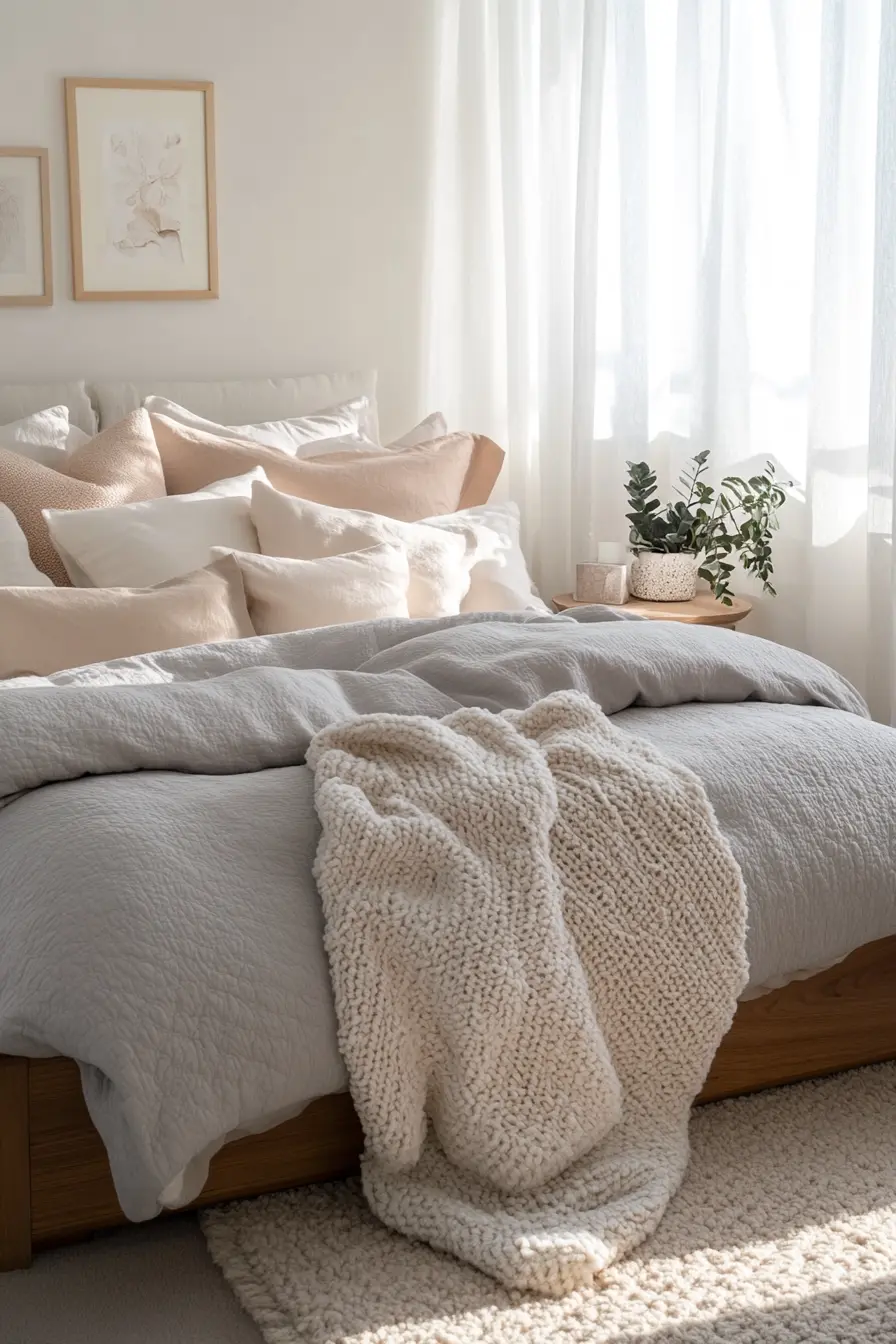
Transform Your Bedroom with These Stunning Layered Bedding Ideas
My Mexican neighbor Maria taught me the art of layered bedding when I first moved into my apartment five years ago. She knocked on my door one Sunday morning, took one look at my sad, flat bedspread, and declared it needed “more life.” Within an hour, she had transformed my boring bed into a luxurious retreat using nothing but what I already owned. That day changed how I approach bedroom design forever.
Creating beautiful layered bedding transforms more than just your sleeping space. Moreover, it sets the tone for your entire bedroom aesthetic. When you master the art of layering different textures, colors, and fabrics, you create a welcoming sanctuary that reflects your personal style. Furthermore, the right layering techniques can make even the simplest bedroom feel like a five star hotel suite.
Why Layered Bedding Ideas Matter for Your Bedroom
Impact on Mood & Wellbeing
Research from the National Sleep Foundation shows that bedroom environment directly affects sleep quality. When I started implementing thoughtful layering in my bedroom, I noticed immediate improvements in my mood and rest. The visual comfort of a well made bed actually signals your brain that this space is meant for relaxation. Additionally, the tactile experience of different textures creates a sensory environment that promotes better sleep.
Boosting Aesthetic Appeal
Professional interior designers understand that beds often serve as the focal point of any bedroom. Therefore, investing time in creating appealing layers pays dividends in overall room design. I have found that guests always comment on my bed first when they see my bedroom. The visual interest created by varying heights, textures, and colors draws the eye naturally. Furthermore, a beautifully layered bed makes the entire room feel more expensive and thoughtfully designed.
Function Meets Comfort
Beyond aesthetics, cozy bedding ideas serve practical purposes throughout the year. During winter months, multiple layers provide customizable warmth without the bulk of heavy comforters. Conversely, summer calls for lighter options that you can easily adjust for temperature changes. I particularly appreciate being able to add or remove layers based on my comfort needs each night. This flexibility means better sleep regardless of seasonal temperature fluctuations.
Planning Your Layered Bedding Ideas
Setting a Vision & Mood Board
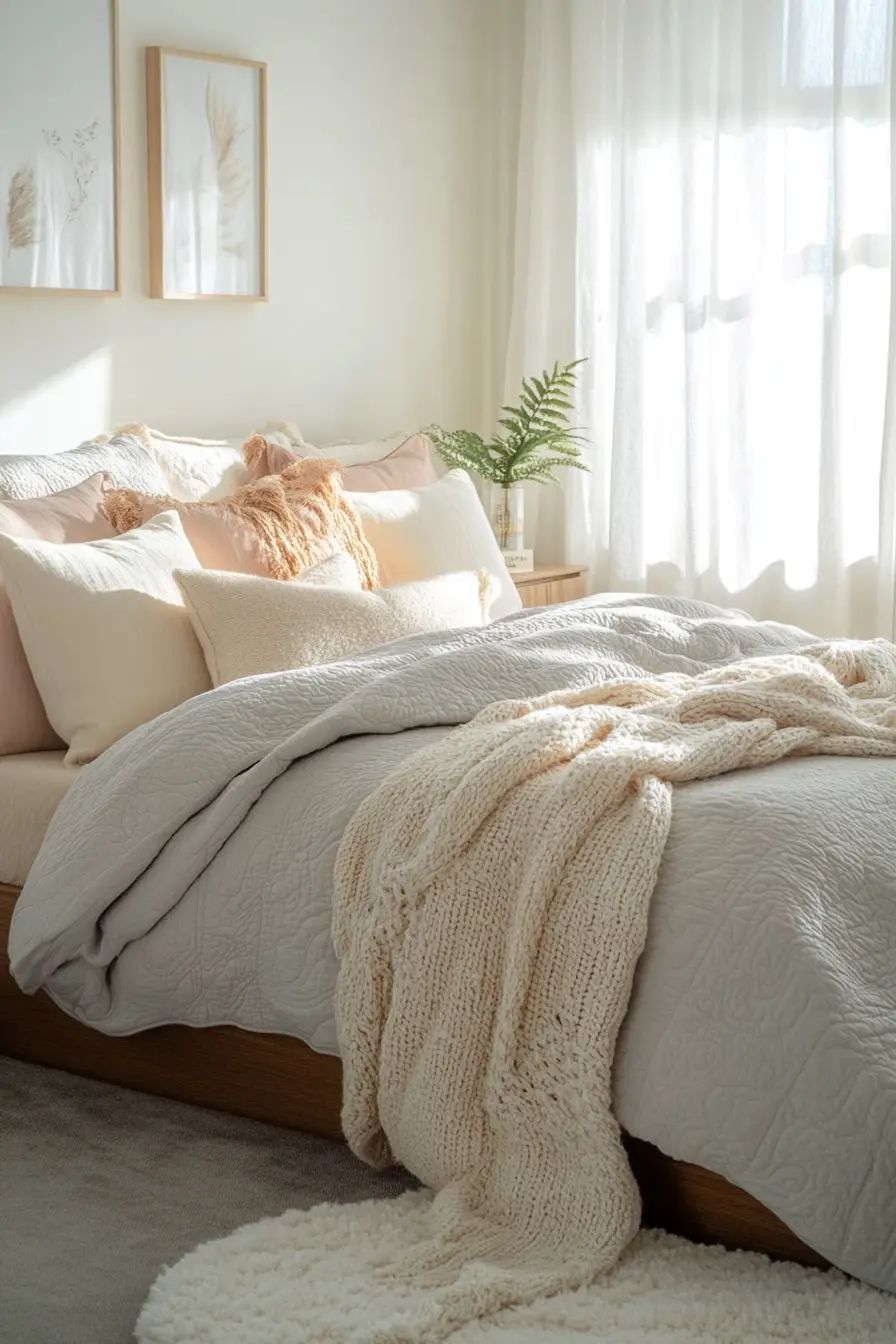
Before purchasing anything new, I always create a vision board for my how to layer bedding projects. Pinterest and Instagram provide endless inspiration for different styling approaches. However, the key lies in identifying what resonates with your personal taste and lifestyle. Start by collecting images that appeal to you, then look for common themes in color, texture, or style. This preliminary step saves both time and money by clarifying your direction before shopping begins.
Choosing the Right Color Palette
Color selection forms the foundation of successful bedroom layering tips. I learned through trial and error that starting with a neutral base provides maximum flexibility. White, cream, gray, or beige sheets allow you to change accent colors seasonally without replacing core pieces. Additionally, neutral bedding color palettes create a calming atmosphere conducive to rest. Once you establish your base, adding pops of color through throw pillows or blankets becomes simple and cost effective.
Budget & Resource Planning
Creating a luxurious layered look does not require spending thousands of dollars. In fact, some of my favorite pieces came from discount stores or were gifts from family members. Start by inventorying what you already own, then identify gaps in your collection. Prioritize purchases based on impact, typically starting with quality sheets and working outward. Remember that building a complete layered look takes time, so patience pays off.
Essential Elements of Layered Bedding Ideas
Furniture & Layout
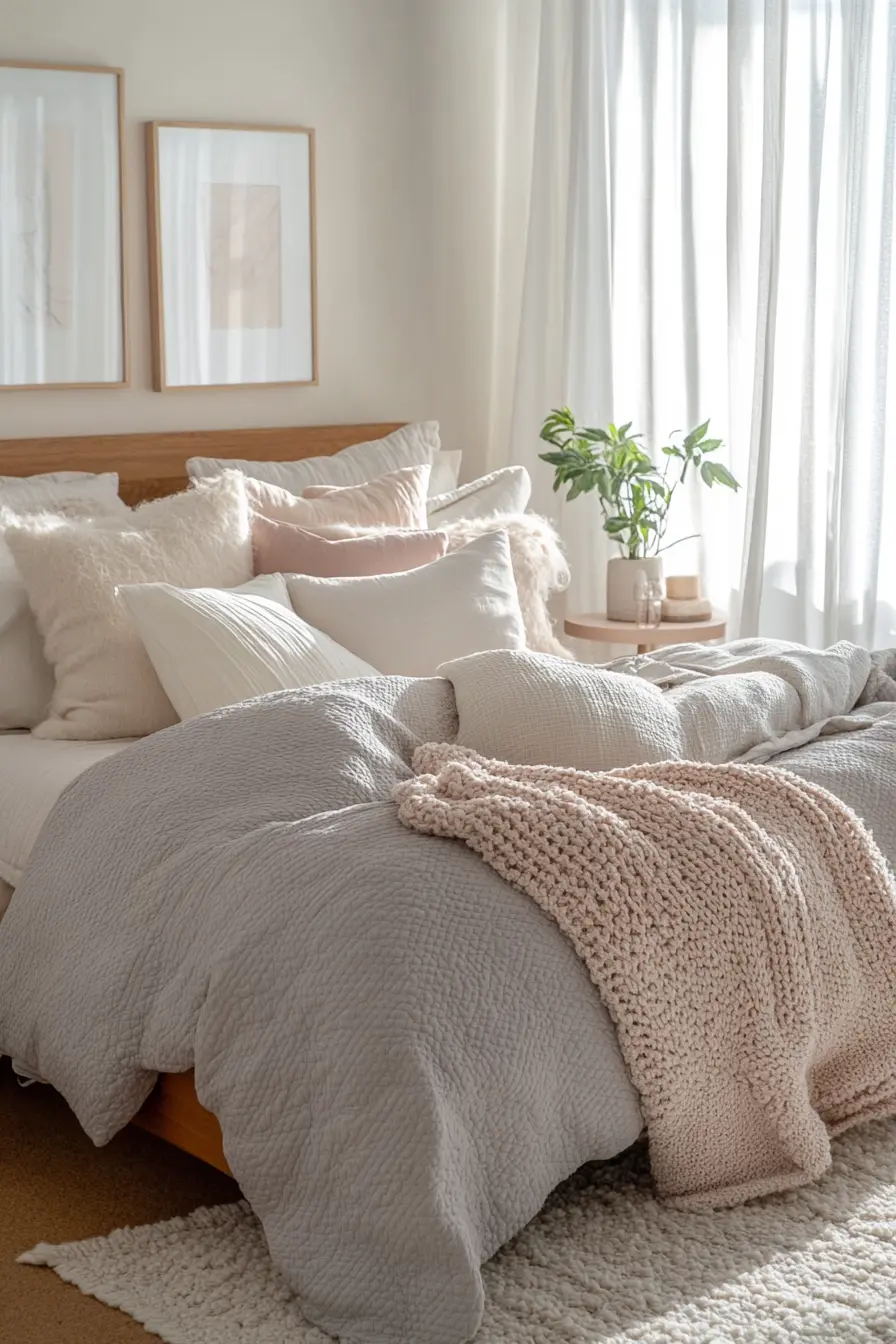
Your bed frame and mattress create the foundation for all layering efforts. I discovered that adding a simple bed skirt immediately elevated my entire setup. The extra height and finished look it provides makes subsequent layers appear more intentional. Furthermore, positioning your bed correctly within the room affects how layers appear from different angles. Consider sight lines from the doorway when arranging your mix textures bedding elements.
Textiles & Fabrics
Understanding fabric properties helps create successful combinations when learning how to layer bedding. Cotton provides breathability and easy care, while linen adds texture and improves with age. Velvet and faux fur introduce luxury touches perfect for accent pieces. I recommend mixing at least three different textures to create visual and tactile interest. Moreover, varying fabric weights adds dimension without overwhelming the overall design.
Best fabrics for bedding vary by personal preference and climate:
- Cotton percale: Crisp and cool for warm sleepers
- Cotton sateen: Smooth and slightly warmer
- Linen: Temperature regulating and textured
- Bamboo: Moisture wicking and sustainable
- Microfiber: Budget friendly and durable
Lighting & Ambience
Proper lighting showcases your layering efforts while creating atmosphere. I installed dimmer switches in my bedroom specifically to highlight different textures at various times. Natural light during daytime reveals subtle color variations, while evening lamp light creates shadows that emphasize texture. Additionally, consider how your bedding looks under different lighting conditions before making final decisions.
Styling Tips & Tricks
Layering Textures
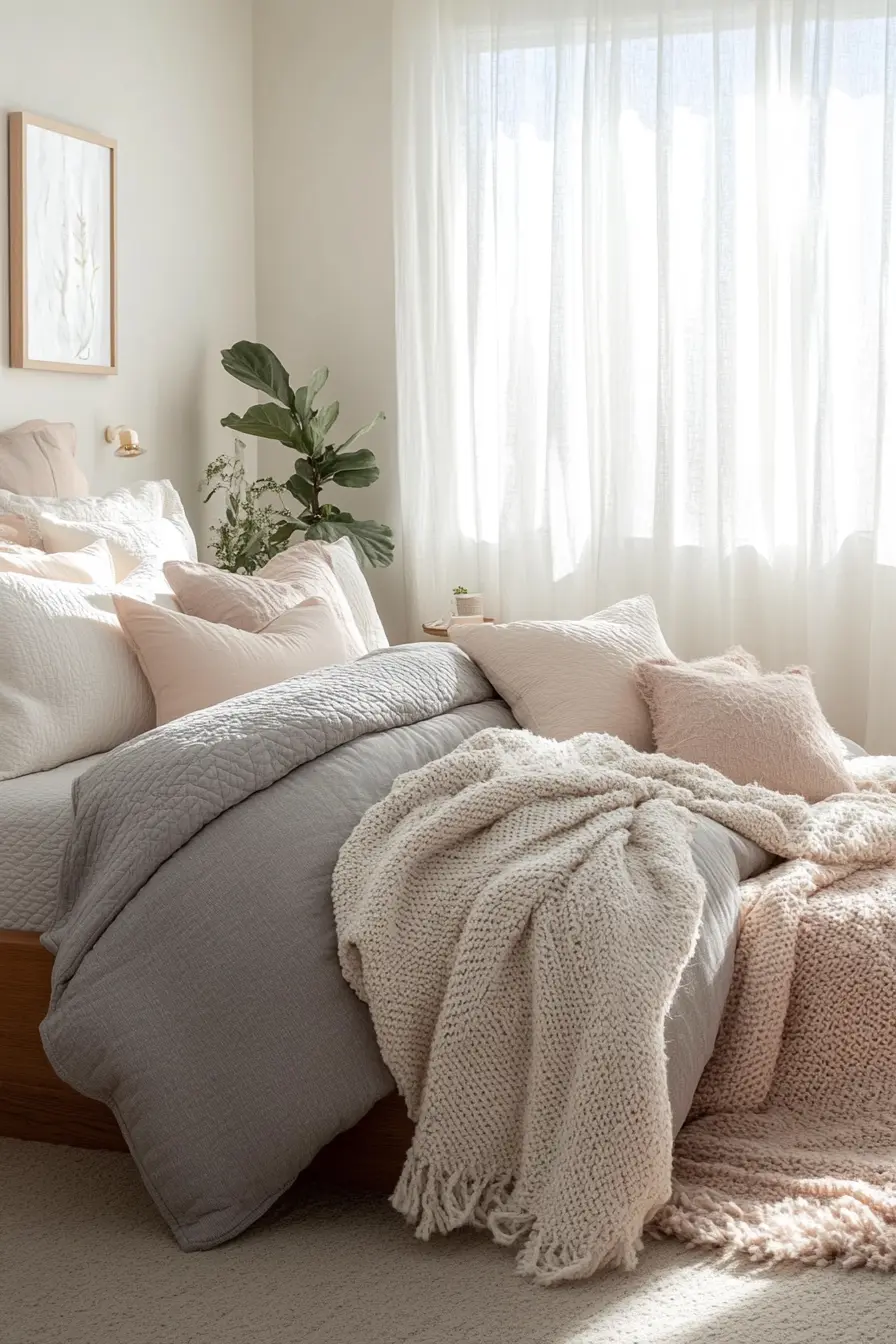
The secret to professional looking beds lies in thoughtful texture combination. Start with smooth sheets, add a textured blanket, then finish with contrasting throw pillows. I follow a simple rule: never place two identical textures directly adjacent. This approach creates visual movement that keeps the eye engaged. Furthermore, mixing textures adds depth that flat, uniform bedding cannot achieve.
Mixing Patterns & Colors
Pattern mixing intimidates many people, but following basic guidelines simplifies the process. Choose one dominant pattern, one supporting pattern, and one solid color to tie everything together. Scale matters significantly when combining patterns. Therefore, pair large scale designs with smaller complementary prints. I typically use striped sheets, a geometric throw, and solid colored pillows for foolproof coordination.
Statement Pieces
Every well designed bed needs at least one conversation starter. Throw blanket layering offers an easy way to introduce statement elements. I invested in a chunky knit throw that adds incredible texture and visual weight. Alternatively, a vintage quilt or handmade blanket can serve the same purpose. Position statement pieces where they naturally draw attention, typically at the foot of the bed or draped casually across one corner.
Seasonal & Trend Variations
Spring & Summer Bedroom Refresh
Warm weather calls for lightweight summer bedding layers that maintain style without adding heat. I switch to linen sheets and cotton coverlets during these months. Bright whites and soft pastels reflect light while keeping the space feeling fresh. Additionally, reducing the number of decorative pillows prevents the bed from feeling cluttered. Fresh flowers on the nightstand complement the lighter bedding perfectly.
Cozy Autumn Vibes
Fall transitions bring opportunities to introduce warmer tones and heavier textures. I gradually add layers starting in September, beginning with a lightweight quilt. Burnt orange, deep gold, and rich burgundy accent pieces capture the season beautifully. Warm bed layering for winter preparation starts during autumn months. This gradual approach prevents jarring changes while building anticipation for cozier months ahead.
Winter Wonderland Retreat
Cold weather demands maximum layering for both warmth and visual appeal. I use flannel sheets as my base layer, adding a down comforter and wool blanket. Decorative pillow arrangements become more elaborate during winter, incorporating faux fur and velvet textures. The key lies in balancing warmth with breathability to prevent overheating during sleep.
Mistakes to Avoid
Common layering mistakes can derail even well intentioned bedroom designs. Overloading the bed with too many pillows creates an uninviting, high maintenance appearance. Similarly, matching everything perfectly results in a flat, catalog like feel lacking personality. I learned to avoid using all cool or all warm tones exclusively. Instead, incorporating one contrasting temperature adds visual interest. Finally, ignoring proportion leads to awkward looking arrangements that feel off balance.
Inspiration Gallery
Luxury layered bedding looks often feature:
- Hotel style white base with subtle metallic accents
- Monochromatic gray schemes with varying textures
- Rich jewel tones layered over neutral foundations
Boho layered bed styling typically includes:
- Natural fibers like jute and raw cotton
- Global inspired patterns and prints
- Macrame or tasseled accent pieces
Small bedroom bedding ideas focus on:
- Lighter colors to maximize space perception
- Fewer but higher quality pieces
- Vertical layering rather than horizontal spread
Quick Shopping Guide
Budget-friendly bedding refresh options prove that style does not require overspending. Target and IKEA offer excellent basics at reasonable prices. HomeGoods provides unique accent pieces at discount prices. Online retailers like Amazon offer vast selections with customer reviews to guide decisions. I recommend starting with these budget sources, then investing in one or two higher end pieces over time.
Essential shopping list for beginners:
- Quality fitted and flat sheets
- Lightweight blanket or coverlet
- Duvet or comforter with cover
- Four to six pillows in varying sizes
- One textured throw blanket
- Two to three decorative pillow covers
FAQs
How many layers should I use on my bed?
The ideal number varies by season and personal preference. However, I typically use four to six layers including sheets, blanket, duvet, and decorative elements. Start with fewer layers and add gradually until achieving your desired look.
What order should I layer my bedding?
Begin with fitted sheet, then flat sheet, followed by blanket, duvet or comforter, and finally decorative throws and pillows. This sequence provides both comfort and visual appeal while making bed making easier.
How do I keep my layered bed from looking messy?
Choose cohesive colors and limit pattern mixing to maintain a polished appearance. Additionally, invest in quality pillow inserts that hold their shape. Make your bed daily to prevent layers from becoming disheveled.
Can I create a layered look in a small bedroom?
Absolutely! Focus on vertical interest through pillow arrangements rather than horizontal spread. Choose lighter colors and fewer pieces to prevent overwhelming the space. Small bedroom bedding ideas often look more sophisticated than overcrowded large bedrooms.
How often should I change my bedding layers?
I recommend refreshing accent pieces seasonally while maintaining core elements year round. Wash sheets weekly, duvet covers biweekly, and throws monthly. This schedule keeps everything fresh without excessive effort.
What textures work best together?
Combine smooth with rough, matte with shiny, and heavy with light textures. For example, crisp cotton sheets pair beautifully with chunky knit throws and velvet pillows.
Mastering layered bedding ideas transforms ordinary bedrooms into personalized retreats that reflect your style and promote better rest. Starting with a clear vision and building gradually allows you to create magazine worthy beds without breaking your budget. Remember that successful layering combines aesthetics with function, ensuring your bed looks beautiful while remaining comfortable and practical. Most importantly, have fun experimenting with different combinations until finding what makes you happiest.
Ready to transform your bedroom with these layering techniques? Share your before and after photos in the comments below!