
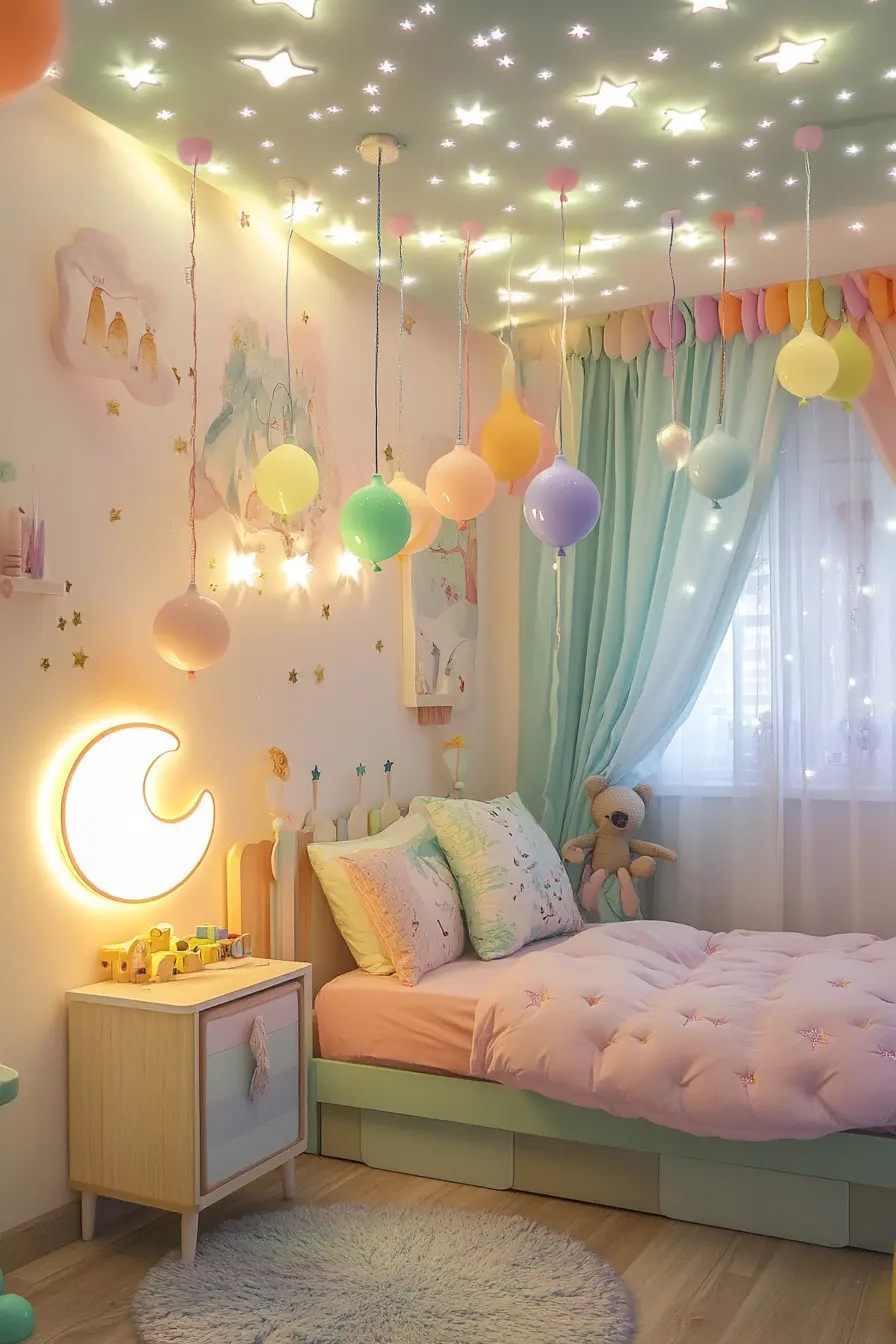
As a child, I always admired my Mexican neighbor’s knack for making even mundane things feel magical. But her special touch truly shined in her daughter’s bedroom. I remember the whimsical kids room lighting: small twinkling fairy lights cascading like stars, a playful llama lamp, and the overall feeling that the space was alive. That experience sparked my lifelong love for crafting spaces that weren’t just rooms, but little worlds. Today, I want to show you how children’s kids room lighting can do the same for your child’s space, bringing joy and sparking imagination with the right designs. This matters because it directly impacts their mood, fosters creativity, boosts aesthetic appeal, and meets your comfort needs.
Why Kids Room Lighting Matters for Your Bedroom
Light does more than just allow children to see; it shapes their entire experience. It’s crucial for their mood, overall wellbeing, and comfort. Have you noticed how a gloomy day changes your emotional state? Well, consider how consistent, thoughtful children’s bedroom lighting does the same!
Impact on Mood & Wellbeing
Light directly affects the production of serotonin, a hormone that stabilizes moods and promotes feelings of well-being ([Source: National Institutes of Health](https://www.nih.gov)). Dark and poorly lit rooms feel depressing, whereas carefully considered kids room lighting encourages optimism and boosts energy. Children need bright, natural-spectrum light for homework and play to stay focused. Simultaneously, soft, warm light before bed will signal the body to produce melatonin and promote restful sleep.
Boosting Aesthetic Appeal
We’re not just talking about function; aesthetics play a big part too! Strategically placed lamps, colorful LED strips, or even fun ceiling fixtures will instantly boost the visual appeal. Think about how the right decorations do more than make a statement; they become conversation starters and create a personality for the bedroom. Themed and character night lights, glow in the dark decor, or star projectors transform ordinary rooms into spaces that reflect your child’s unique personality and passions. Because we desire a space where our children feel safe and happy as well, we should keep this in mind.
Function Meets Comfort
Good kids room lighting has to be functional and comfortable. Therefore, consider layers of light; this allows for flexibility to match your child’s activities. After all, using bright lights during study time and dimmable, soft night lights for sleeping will promote the most suitable options. Ambient lighting helps to fill out the rest of the room with a base-level amount of comforting light.
Planning Your Kids Room Lighting
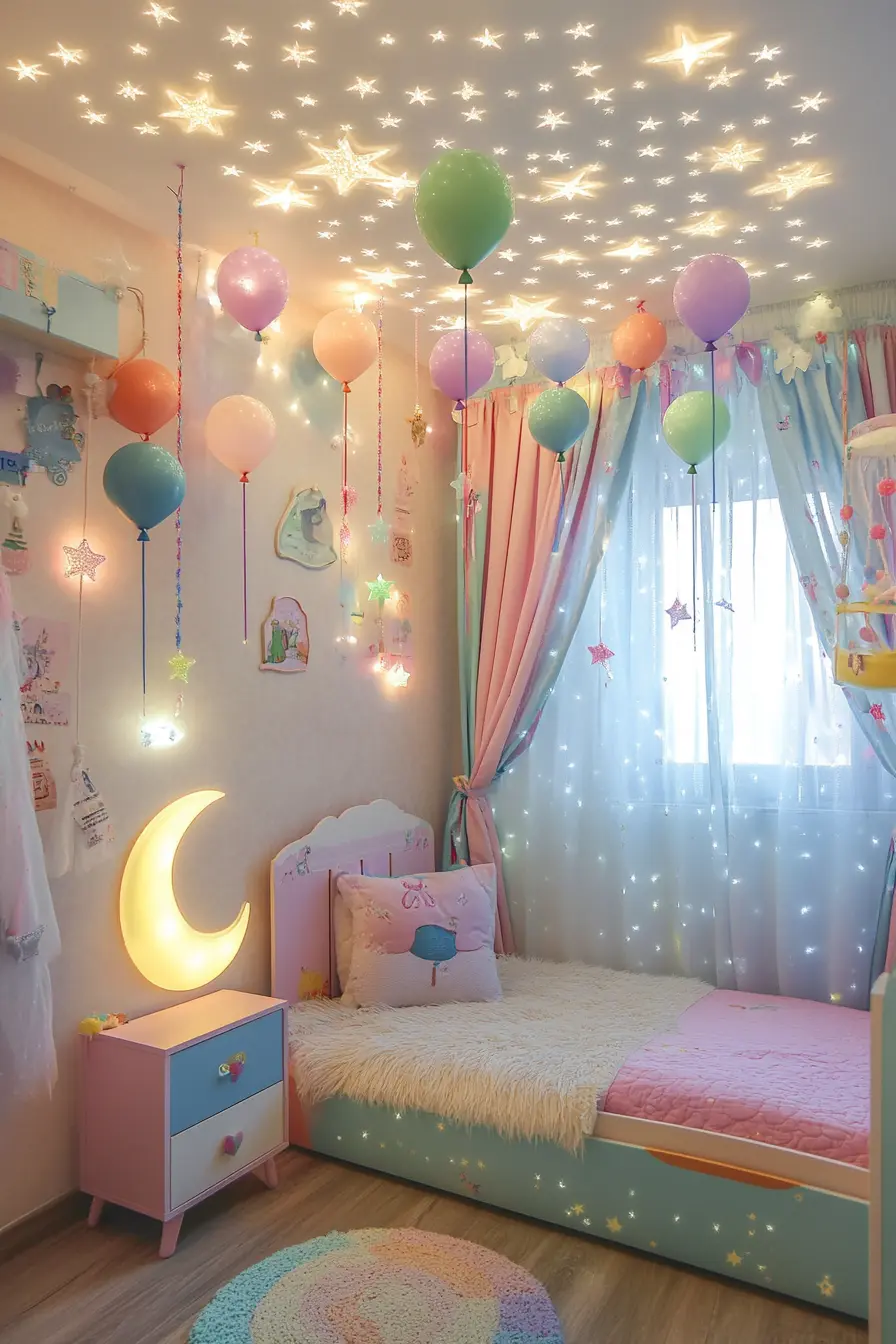
Thinking through your kids room lighting project before you begin will save time and money. Start with a plan by setting up a budget and deciding what to keep.
Setting a Vision & Mood Board
Before you ever touch a light switch, you should ask yourself: What kind of atmosphere do I want to create? A great way to visually do this is by using a mood board. Begin by gathering images of rooms and playful light fixtures that appeal to you. Include colors, textures, and styles that you love. Notice how the lighting impacts each setting. In addition, experiment with mixing prints or patterns.
Choosing the Right Color Palette
Color profoundly impacts mood, especially in a space designed for rest and play. Next, think about your child’s preferences. Do they love calming cool tones like blues and greens, or warm, energetic shades like yellows and oranges? Lighter colors tend to maximize the effect of the light, which creates an ideal ambience. Colorful LED strips are another effective way to have a plethora of options at play for the room.
Budget & Resource Planning
Planning a budget is critical. Decide how much you can spend on new fixtures, paint, and accessories. Shop around for the best prices and consider DIY projects to save some money. Evaluate resource usage so that you will know how much you are spending on electricity. Consider LED lighting, because it is energy-efficient and can save you money long-term. ([Source: U.S. Department of Energy](https://www.energy.gov/energysaver/save-electricity-and-fuel/lighting-choices-save-you-money/led-lighting)).
Essential Elements of Kids Room Lighting
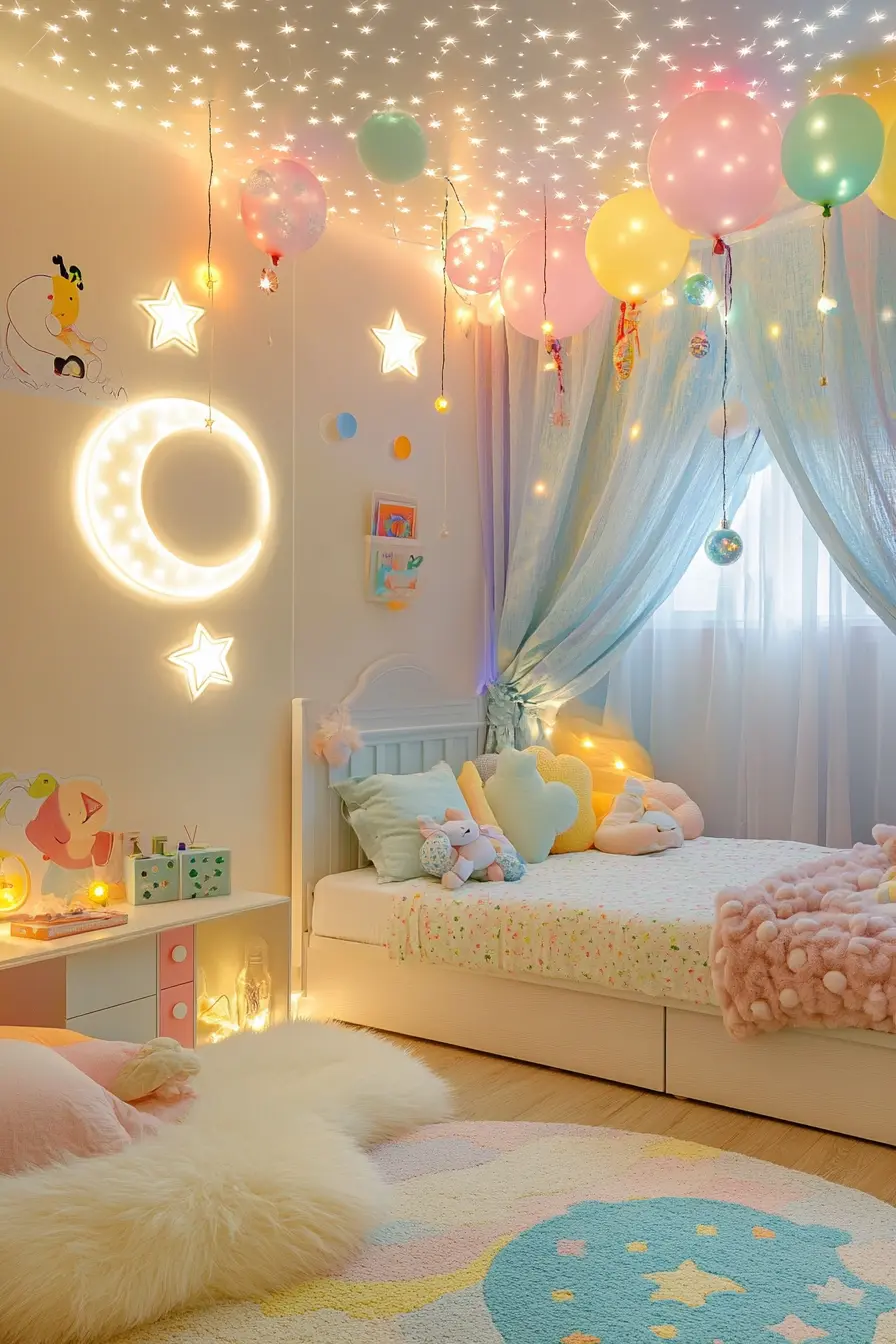
Lighting can draw attention to the various aspects of a space, from furniture to textiles.
Furniture & Layout
Consider how your furniture placement interacts with light. Position desks and reading nooks near windows to access natural light. In addition, place lamps near beds and chairs for task lighting. To increase space, mount pendant lamps for children from the ceiling rather than cluttering the floor. Remember that less clutter promotes more relaxation!
Textiles & Fabrics
Fabrics play a huge role in how light is reflected or absorbed in a space. Sheer or light-colored curtains will allow more natural light to come in, brightening the room. Conversely, dark and heavy curtains will block light, creating a cozy and darker environment. Consider roller shades for days when you may want medium light, but still want to darken the room.
Lighting & Ambience
Ambient lighting is the foundation of your room’s lighting plan. This establishes the overall brightness and sets the tone. Secondly, use a combination of overhead lighting, lamps, and night lights for kids to achieve a balanced and harmonious effect. Focus on bedroom safety lighting, such as non-breakable lamp shades, to make your children’s space as safe as possible.
Styling Tips & Tricks
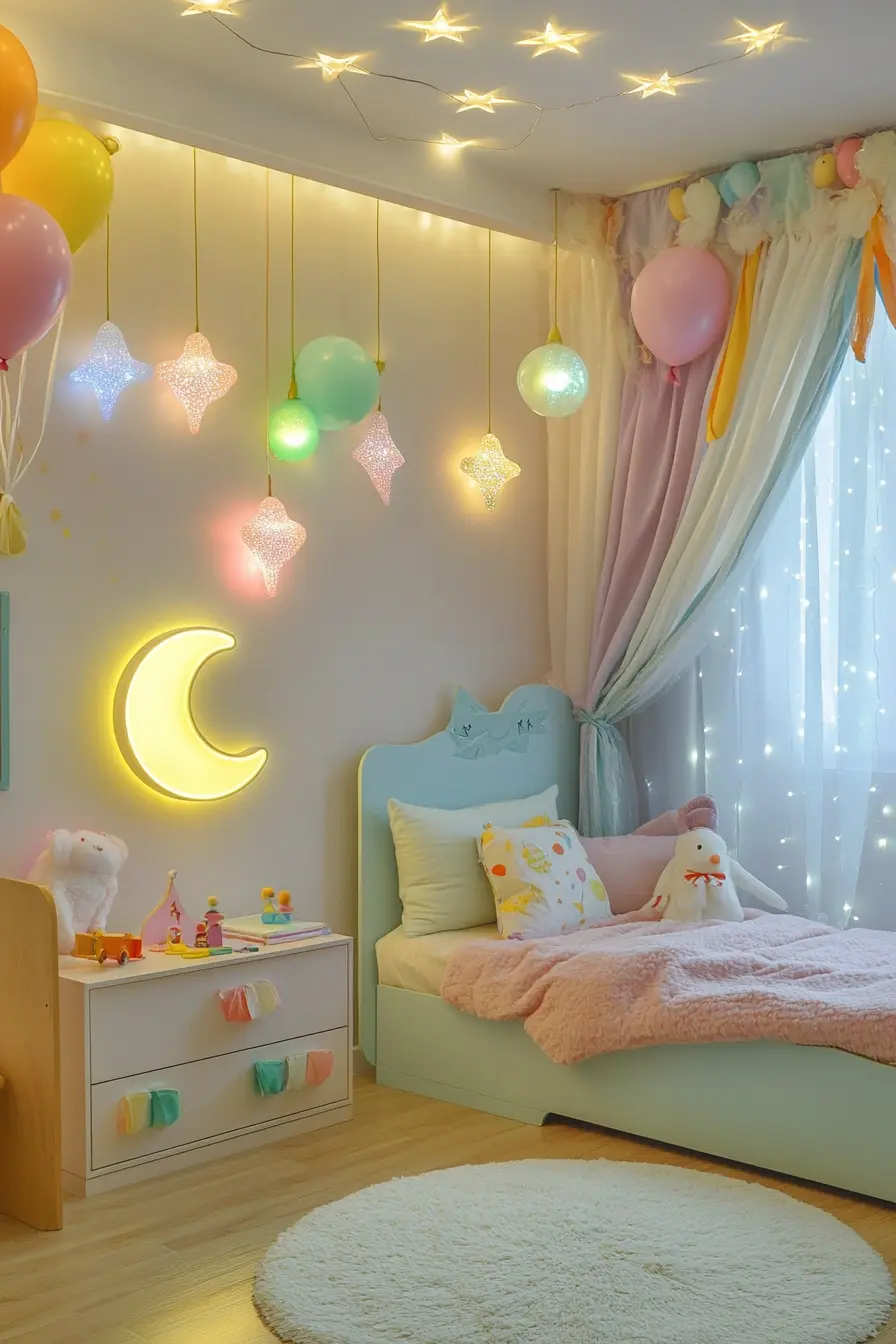
Here are some simple and cost-effective steps that will help create an environment that captures that inner light.
Layering Textures
Layering different textures creates a sense of depth and visual interest. Combine soft, fluffy rugs with smooth, polished furniture. Introduce fairy lights bedroom displays to add a whimsical touch. Think of it as assembling a perfect outfit; each piece adds to the whole ensemble.
Mixing Patterns & Colors
Don’t be afraid to mix different patterns and colors. Just make sure to do so with intention. Choose a primary color and then add complementary shades and patterns. This technique contributes to the overall theme in the room. After all, whimsical lighting design is a beautiful way to showcase a colorful and fun space for children.
Statement Pieces
A statement piece can be anything from a vibrant piece of artwork to a standout lighting fixture. In fact, a single, eye-catching lamp, or chandelier can become the focal point of the room. This is useful as it can draw the eye in a way that compliments your overall vision. Furthermore, this can be an opportunity to play with a fun ceiling lights fixture or pattern.
Seasonal & Trend Variations
Seasons change, and so can elements of our bedrooms. This will keep the creative vibes flowing all year!
Spring & Summer Bedroom Refresh
Lighten up your child’s bedroom for spring and summer with brighter colors and lighter fabrics. Swap out heavy curtains for sheer ones. Incorporate elements like floral patterns and pastel shades. After all, this seasonal change helps to maintain the joyful feelings of warmer weather!
Cozy Autumn Vibes
As autumn approaches, create a warm and inviting atmosphere with rich, earthy colors. Use textiles like flannel blankets to add texture. Incorporate warm-toned decorative lamps children. This will promote a cozy and inviting space for your children as the leaves begin to turn.
Winter Wonderland Retreat
Transform your child’s room into a winter wonderland with cool tones like blues and silvers. Use faux fur throws and twinkling fairy lights to create a magical ambiance. Consider adding glow in the dark decor or projecting lights on the ceiling. In addition, rainbow lighting can be used to inspire the colors of the aurora borealis in a snowy landscape.
Mistakes to Avoid
Here are a few common errors. Being proactive about spotting mistakes will help prevent you from having to redo work.
- Overlooking safety: Always ensure that all lighting fixtures are properly installed and that cords are out of reach.
- Using too much or too little light: Before doing final adjustments, test the lights during different times of the day to make sure the light level is sufficient but not overwhelming.
- Ignoring your child’s preferences: Involve your child in the design process to give them a sense of ownership and ensure that they love the space.
- Forgetting about function: It is critical to remember that rooms must be accessible in varying degrees depending on the activity going on in the room.
Inspiration Gallery
- Themed Bedrooms: Pirate ship rooms, ballerina rooms, or outer space themed rooms.
- Reading Nooks: Cozy nooks with a comfortable chair and a warm lamp.
- Play Areas: Bright, open spaces with creative lighting.
- Accent Walls: These are colorful or patterned walls that serve as focal points.
Quick Shopping Guide
- Large Retailers: Amazon, Target, Walmart.
- Specialty Stores: Pottery Barn Kids, Crate & Barrel Kids.
- Online Marketplaces: Etsy, Wayfair.
- Budget-Friendly Options: Thrift stores, flea markets, local online marketplaces.
FAQs
- Q: What type of lighting is best for a child’s bedroom?
A: A combination of ambient, task, and accent lighting will create a well-rounded and functional space. Ambient lighting provides overall illumination, task lighting is used for reading and homework, and ambient lighting kids can add decorative touches.
- Q: How can I create a calming environment for bedtime?
A: Use dimmable lights, warm color temperatures, and character night lights to signal bedtime. Avoid bright, blue-toned light, because it interferes with sleep.
- Q: Is it safe to use LED light?
A: LED lights are generally safe, with minimal UV emissions. Choose reputable brands and check for safety certifications. (Source: EPA). However, be mindful of blue light exposure from electronic devices before bed!
- Q: How can I make a small bedroom feel larger?
A: Use light colors, mirrors, and strategic lighting to create the illusion of space. Creative lighting solutions such as wall sconces and recessed lighting can maximize floor space.
- Q: Where can I find ideas for themed rooms?
A: Pinterest, Houzz, and interior design blogs.
- Q: Are battery operated fairy lights safe?
A: Yes, but check for adequate durability and heat.
- Q: What happens if my pendant lamps hang to high?
A: An electrician will be able to lower the fixture for you if you determine to it’s an issue.
Crafting the perfect kids room lighting is more than just putting up a lamp; it is about creating a world of imagination, comfort, and safety for your child. So, what lighting trick will you try first in your child’s room?